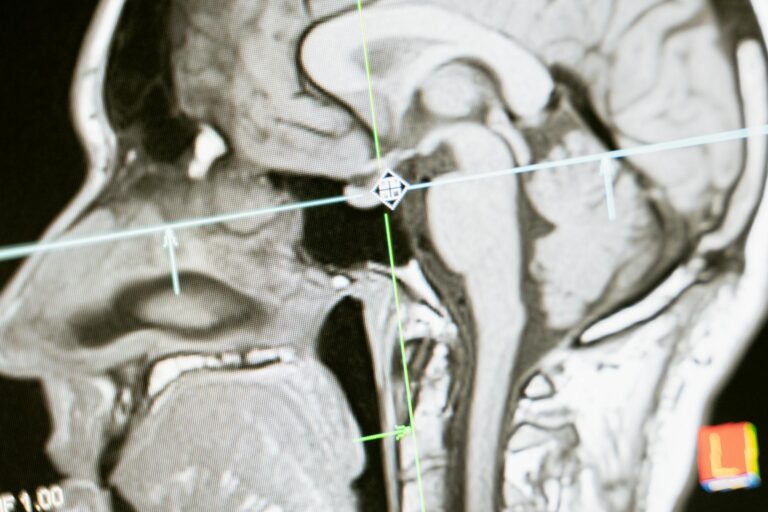
If a loved one with normal pressure hydrocephalus (NPH) starts showing increased confusion or trouble walking, it’s important to take quick and careful steps to help them. NPH is a condition where too much fluid builds up in the brain’s ventricles, causing symptoms like difficulty walking, memory problems, and sometimes urinary issues[1]. When these symptoms suddenly get worse, it could mean the condition is changing or that there might be complications.
**Here are the first steps you should take:**
– **Stay calm and observe closely.** Note any new or worsening signs such as increased confusion, trouble standing or walking steadily, dizziness, headaches that don’t go away with medicine, nausea or vomiting[5].
– **Seek medical attention promptly.** Increased confusion and gait problems can signal that the fluid buildup is affecting brain function more severely. Contact your loved one’s doctor right away for advice on what to do next[5]. If they have a shunt (a tube implanted to drain excess fluid), shunt malfunction could be causing these changes.
– **Call emergency services if severe symptoms appear.** If your loved one has seizures, becomes very sleepy or hard to wake up, has sudden vision changes or severe headaches not relieved by medication—call emergency services immediately[5].
– **Prepare information for healthcare providers.** Be ready to share details about when symptoms started worsening and any other health changes you’ve noticed. This helps doctors decide if urgent tests like brain imaging are needed.
– **Follow medical advice carefully after evaluation.** Treatment may involve adjusting medications or checking if the shunt needs repair or replacement[1][5]. Sometimes physical therapy can help improve walking difficulties once acute issues are managed.
In summary: increased confusion and trouble walking in someone with NPH require prompt medical evaluation because they may indicate worsening of hydrocephalus or complications like shunt problems. Acting quickly by contacting healthcare professionals ensures your loved one gets timely care to prevent further harm[1][5].