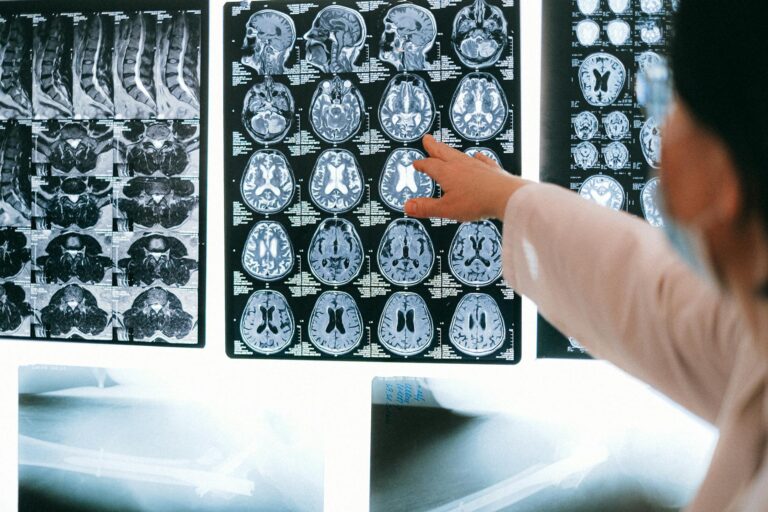
Tuberous sclerosis complex (TSC) is a genetic disorder that causes non-cancerous tumors, called hamartomas, to grow in various organs throughout the body. These growths can lead to a wide range of complications depending on their size, location, and the organs involved. The complications of tuberous sclerosis are diverse and can affect the brain, skin, kidneys, lungs, heart, and other systems, often leading to significant health challenges.
One of the most serious complications involves the brain. TSC frequently causes the development of subependymal giant cell astrocytomas (SEGAs), which are benign brain tumors that can block the flow of cerebrospinal fluid. This blockage may result in hydrocephalus, a dangerous buildup of fluid in the brain that increases pressure and can cause headaches, nausea, vomiting, and even life-threatening neurological damage. Additionally, cortical tubers and other brain lesions in TSC can lead to seizures, which are common and often difficult to control. Seizures can vary from mild to severe and may contribute to developmental delays and cognitive impairments. Some patients also experience behavioral problems and autism spectrum disorders linked to brain involvement.
The skin is another organ commonly affected by TSC. Characteristic skin lesions include hypomelanotic macules (white patches), facial angiofibromas (reddish bumps on the face), shagreen patches (thickened, leathery skin), and periungual fibromas (growths around the nails). While these skin manifestations are often benign, they can cause cosmetic concerns and psychological distress. Rarely, skin lesions may become complicated by infections or bleeding.
Kidney complications are significant in TSC and can be life-threatening. Renal angiomyolipomas (AMLs) are benign tumors composed of blood vessels, muscle, and fat that frequently develop in the kidneys of people with TSC. These tumors can grow large and cause pain, bleeding, or kidney dysfunction. Hemorrhagic AMLs may lead to acute abdominal pain and hypovolemic shock due to bleeding, which can be fatal if not treated promptly. Chronic kidney disease may develop over time if the tumors impair kidney function. In some cases, renal cysts and even renal cell carcinoma can occur, although cancer is less common.
Lung involvement, particularly lymphangioleiomyomatosis (LAM), is a serious complication mostly seen in adult women with TSC. LAM is characterized by abnormal smooth muscle-like cell growth in the lungs, leading to cystic lung disease. This can cause progressive shortness of breath, recurrent pneumothorax (collapsed lung), and respiratory failure. Pneumothorax often occurs suddenly and may be recurrent or bilateral. The lung disease typically worsens over years, and many patients eventually require supplemental oxygen. LAM can also affect the lymphatic system, causing chylous effusions and swelling.
Cardiac rhabdomyomas are benign tumors of the heart muscle that commonly appear in infants and young children with TSC. While often asymptomatic and sometimes regressing spontaneously, large rhabdomyomas can interfere with normal heart function, causing arrhythmias, obstruction of blood flow, or heart failure. These complications may require medical or surgical intervention.
Other complications include bone problems such as osteoporosis, especially in patients who are immobile due to neurological impairments. Immobility and chronic illness can also increase the risk of infections and other secondary health issues.
Treatment for TSC-related complications often involves managing symptoms and preventing progression. Medications like sirolimus and everolimus, which inhibit the mTOR pathway involved in tumor growth, have been effective in reducing the size of some tumors and improving lung function in LAM. However, these drugs can have side effects, including lung inflammation, infections, and other toxicities. Surgical interventions may be necessary for large or symptomatic tumors, hydrocephalus, or severe lung complications.