Fetal Alcohol Syndrome (FAS) is a serious condition caused by alcohol exposure during pregnancy that leads to lifelong complications affecting the brain, body, and behavior of the child. The complications are wide-ranging and can be physical, cognitive, emotional, and social.
Physically, children with FAS often have distinctive facial features such as a smooth philtrum (the groove between the nose and upper lip), thin upper lip, small eye openings, and sometimes smaller head size due to impaired brain growth. They may also experience growth deficiencies both before birth (low birth weight) and after birth. Beyond facial characteristics, alcohol exposure can cause defects in organs like the heart or kidneys. Seizures are another possible complication linked to neurological damage from prenatal alcohol exposure.
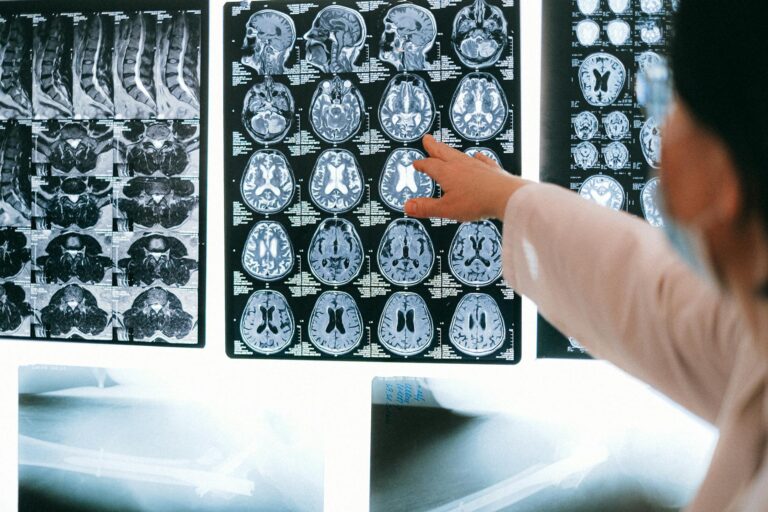
The brain is particularly vulnerable because alcohol interferes with its development at multiple stages during pregnancy. This results in structural abnormalities that affect how different parts of the brain connect and communicate with each other. These disruptions lead to significant neurodevelopmental problems including intellectual disabilities ranging from mild learning difficulties to severe cognitive impairment.
Children with FAS commonly struggle with executive functioning skills — these include planning ahead, controlling impulses, shifting attention between tasks flexibly, problem-solving abilities, and organizing thoughts or actions effectively. Attention deficits are frequent; affected individuals may find it hard to concentrate or stay focused for long periods.
Memory problems also occur; short-term memory especially can be impaired making it difficult for children to retain new information or learn from experiences efficiently. Language delays or difficulties understanding complex instructions often accompany these issues.
Behaviorally and emotionally there are many challenges too: children might exhibit hyperactivity similar to ADHD symptoms but also face mood disorders such as depression or anxiety later in life. Emotional regulation is difficult — they may have trouble managing frustration or anger appropriately which impacts social interactions negatively.
Social skills tend to be underdeveloped because interpreting social cues requires cognitive processing that is compromised by FAS-related brain changes. This can lead to isolation or difficulty forming friendships as well as challenges in school settings where peer interaction is important.
Academically affected children frequently perform below their peers due not only to intellectual impairments but also because of poor attention span combined with memory deficits making learning slow and frustrating for them.
In some cases adults who had FAS as children continue facing mental health issues including psychosis or substance abuse problems stemming partly from their early developmental struggles compounded over time without adequate support systems.
Overall quality of life can be severely impacted without intervention since these complications affect nearly every aspect of daily living—education success rates drop significantly; employment opportunities become limited; relationships suffer; independence becomes harder to achieve without ongoing assistance throughout life.
The severity varies depending on factors like timing during pregnancy when alcohol was consumed (early vs late gestation), amount consumed regularly versus binge drinking episodes by mother—and even paternal drinking patterns seem influential through genetic/epigenetic mechanisms affecting fetal development indirectly through sperm quality changes before conception.
Because no cure exists for FAS itself once damage occurs prenatally—the focus remains on prevention through abstaining from any alcohol use during pregnancy—and early diagnosis followed by tailored interventions aimed at improving learning strategies alongside behavioral therapies designed specifically around individual needs helps mitigate some effects though never fully reversing them entirely.
Key complications include:
– Distinctive facial abnormalities
– Growth retardation pre- & post-natal
– Brain structural abnormalities leading to:
– Intellectual disability
– Executive function deficits (planning/impulse control)
– Attention deficit disorders
– Memory impairments
– Language delays
– Behavioral/emotional challenges:
– Hyperactivity
– Mood disorders like depression/anxiety
– Difficulty regulating emotions
– Social skill deficits causing relationship struggles
– Increased risk of seizures
– Possible organ defects beyond neurological impact
These multifaceted complications make fetal alcohol syndrome one of the most complex preventable developmental disorders known today requiring comprehensive medical care combined with educational support systems tailored individually across childhood into adulthood if affected individuals are given opportunities for better outcomes despite their lifelong challenges.