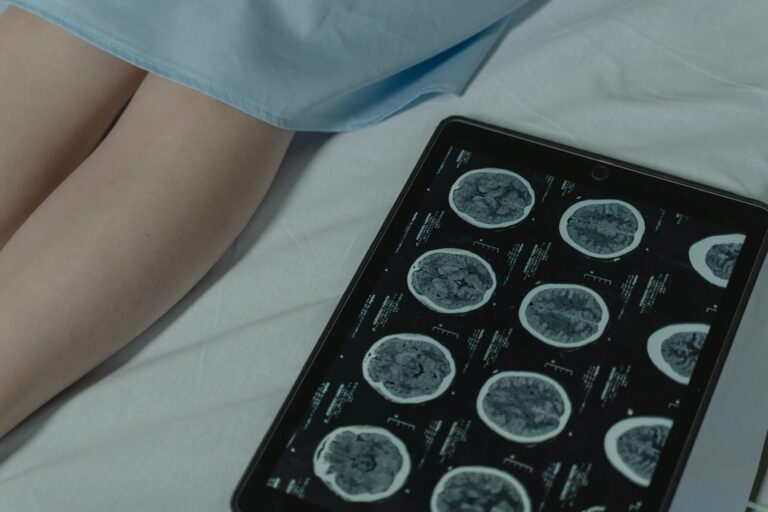
Using Big Data to Uncover Trends in Dementia Research
In recent years, the use of big data has become increasingly important in medical research, particularly in the field of dementia. Dementia is a complex condition that affects millions of people worldwide, causing significant cognitive decline and impacting quality of life. By leveraging large datasets, researchers can identify patterns and trends that might not be apparent through traditional methods. This approach has the potential to revolutionize how we understand, diagnose, and treat dementia.
### The Role of Big Data in Dementia Research
Big data refers to the vast amounts of information collected from various sources, including electronic health records, genetic data, and lifestyle information. In the context of dementia, big data can help researchers analyze the risk factors associated with the disease. For instance, studies have shown that atherosclerotic cardiovascular disease (ASCVD) is a significant risk factor for dementia, particularly vascular dementia. By analyzing data from large populations, researchers can develop predictive models that identify individuals at high risk of developing dementia.
One notable study used the LightGBM algorithm to create a predictive model for dementia risk in patients with ASCVD. This model utilized data from the UK Biobank and incorporated ten clinical predictive factors to estimate dementia risk accurately. The results showed that the model performed well in predicting all-cause dementia and vascular dementia, with high accuracy metrics. This demonstrates how big data can be used to develop tools for early identification and intervention, potentially improving patient outcomes.
### Multimodal Approaches in Dementia Detection
Another area where big data is making an impact is in multimodal approaches to dementia detection. These methods combine different types of data, such as text, audio, and visual information, to improve diagnostic accuracy. For example, researchers have used language models like BERT and GPT to analyze speech patterns and identify cognitive markers of dementia. By integrating these models with audio features, they can detect subtle changes in speech that may indicate early stages of dementia.
This multimodal approach not only enhances diagnostic accuracy but also provides a more holistic understanding of cognitive decline. It allows for the development of non-invasive diagnostic tools that can be used in various clinical settings, making dementia detection more accessible and scalable.
### The Future of Dementia Research
As big data continues to play a crucial role in dementia research, there are several directions for future studies. One key area is the integration of machine learning models with traditional statistical methods to improve both predictive performance and model interpretability. This combination could provide more robust and reliable tools for clinicians to assess dementia risk and develop personalized treatment plans.
Additionally, ongoing research into lifestyle factors, such as sleep patterns, is shedding light on potential early signs of dementia. Studies have found that both too little and too much sleep can be associated with cognitive decline, highlighting the importance of maintaining a healthy lifestyle to reduce dementia risk.
### Conclusion
The use of big data in dementia research is transforming our understanding of this complex condition. By analyzing large datasets and developing predictive models, researchers can identify trends and patterns that inform better diagnosis and treatment strategies. As technology continues to evolve, the potential for big data to improve dementia care is vast, offering hope for more effective interventions and improved patient outcomes in the future.