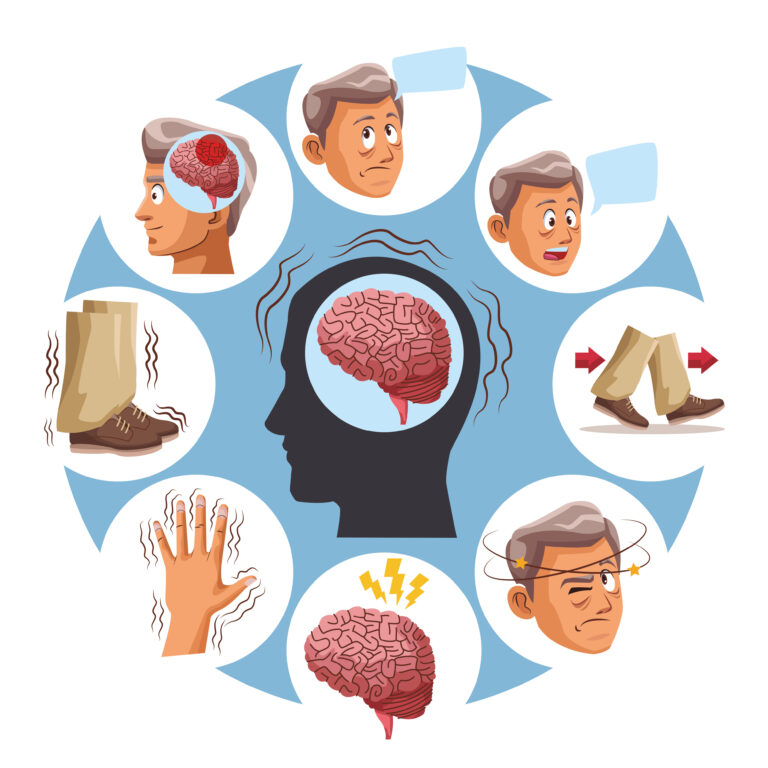
Dementia is a devastating illness that affects millions of people worldwide. It can cause memory loss, confusion, and difficulty with daily tasks, making it challenging for those living with dementia to maintain a sense of independence and connection with their community. This is where memory cafes come in.
Memory cafes are a growing trend in the healthcare industry, offering a supportive and welcoming environment for individuals living with dementia and their caregivers. These cafes provide a variety of activities and resources designed specifically for those with memory loss, creating a safe space to socialize and engage in meaningful interactions. In this article, we will explore the benefits of memory cafes for dementia patients and how they can greatly improve their quality of life.
Creating a Sense of Inclusion and Belonging
One of the biggest challenges for individuals living with dementia is feeling isolated and disconnected from the world around them. As their memory declines, they may struggle to remember people and places, making it difficult to maintain relationships with friends and family. Memory cafes offer a solution to this problem by providing a sense of inclusion and belonging within a community of individuals who are facing similar challenges.
These cafes are often held in public spaces such as libraries, community centers, or coffee shops, making them easily accessible for individuals with dementia and their caregivers. They offer a safe and non-judgmental environment where everyone is welcome, regardless of their level of cognitive ability or memory loss. This creates a sense of acceptance and understanding that can be incredibly beneficial for both dementia patients and their caregivers.
Stimulating the Mind and Promoting Cognitive Health
Memory cafes also provide a variety of stimulating activities that can help promote and maintain cognitive health. These activities may include brain games, art therapy, music therapy, or reminiscence therapy, all of which have been shown to improve memory function and overall well-being for individuals with dementia.
For example, reminiscence therapy involves discussing past memories and experiences, which can help trigger positive emotions and improve communication skills. This can be especially helpful for individuals with dementia who may struggle to remember recent events but can often recall long-term memories with more clarity.
Reducing Social Isolation and Depression
Social isolation is a major issue among individuals with dementia, as they may struggle to maintain relationships and participate in activities they once enjoyed. This can lead to feelings of loneliness and depression, which can further worsen their cognitive function.
Memory cafes offer a solution to this problem by providing a social outlet for dementia patients. Through engaging activities and conversations, individuals with dementia can form new friendships and connections, reducing their feelings of isolation and improving their overall mental health.
Support for Caregivers
Caregivers of individuals with dementia also face many challenges, both emotionally and physically. They often devote all their time and energy to caring for their loved ones, which can be physically and emotionally exhausting. Memory cafes offer a much-needed break for caregivers, giving them the opportunity to socialize and connect with others who understand the difficulties they face.
Furthermore, memory cafes often provide support groups and resources for caregivers, giving them a chance to share their experiences and learn from others in similar situations. This can greatly reduce the stress and burden of caregiving and help caregivers feel less alone in their journey.
In conclusion, memory cafes play a crucial role in improving the quality of life for individuals living with dementia. By providing a supportive, inclusive, and stimulating environment, these cafes offer numerous benefits such as promoting cognitive health, reducing social isolation and depression, and providing support for caregivers. If you or a loved one is living with dementia, consider visiting a memory cafe for a sense of belonging and a chance to connect with others on a similar journey.