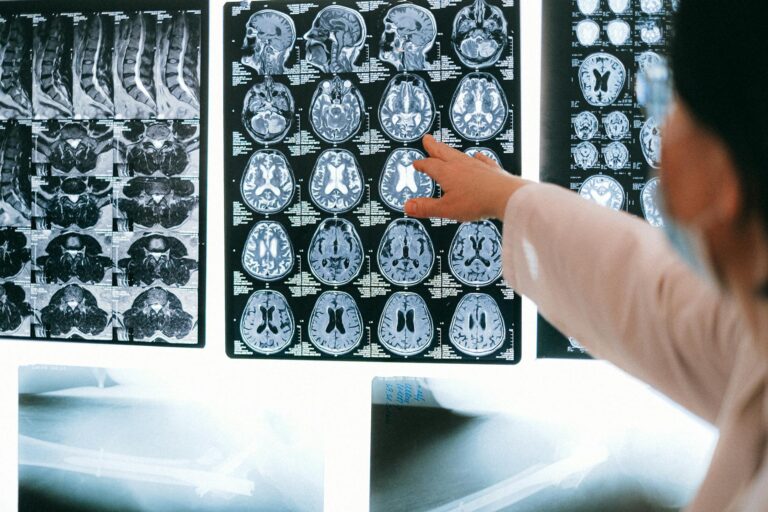
Turmeric, a bright yellow spice commonly used in cooking, especially in South Asian cuisine, has gained widespread attention for its potential role in preventing Alzheimer’s disease. The truth about turmeric and Alzheimer’s prevention is complex but promising, rooted mainly in the properties of curcumin—the active compound found in turmeric.
Curcumin is known for its powerful antioxidant and anti-inflammatory effects. These two actions are crucial because chronic inflammation and oxidative stress are key contributors to the development and progression of Alzheimer’s disease. Oxidative stress damages brain cells by creating harmful molecules called free radicals, while inflammation can worsen brain cell injury over time. Curcumin helps neutralize free radicals and reduce inflammatory molecules that damage neurons, potentially slowing down or preventing cognitive decline[2][5].
One of the hallmark features of Alzheimer’s is the buildup of amyloid-beta plaques—sticky protein clumps that disrupt communication between brain cells—and tau protein tangles inside neurons that impair their function. Research shows curcumin may interfere with these pathological processes by reducing amyloid-beta aggregation and promoting its clearance from the brain. It also appears to inhibit excessive tau protein modifications linked to neurodegeneration[1]. In animal studies involving mice genetically modified to develop Alzheimer’s-like symptoms, diets enriched with curcumin improved memory performance significantly while lowering amyloid plaque levels[1].
Beyond these direct effects on Alzheimer’s pathology, curcumin influences epigenetic mechanisms—changes in gene expression without altering DNA sequences—that regulate neuronal survival and plasticity (the ability of brain cells to form new connections). For example, it modulates enzymes involved in DNA methylation and histone modification which control genes related to learning, memory formation, inflammation reduction, and neuron protection[3]. This suggests curcumin might help maintain or restore healthy brain function at a molecular level.
Another important aspect is how curcumin boosts levels of Brain-Derived Neurotrophic Factor (BDNF), a protein essential for neuron growth and synaptic plasticity—the basis for learning and memory. Low BDNF levels have been linked not only to Alzheimer’s but also depression; thus increasing BDNF could support cognitive health broadly[5]. Curcumin’s ability to enhance BDNF production may partly explain observed improvements in mood as well as cognition.
However promising these findings are from laboratory studies or animal models, translating them into effective human treatments faces challenges:
– **Bioavailability:** Curcumin has poor absorption when taken orally because it breaks down quickly inside the body before reaching significant concentrations in the bloodstream or brain tissue.
– **Dosage:** Many positive results come from high doses found only in concentrated supplements rather than typical dietary turmeric use.
– **Clinical Evidence:** While some epidemiological data suggest populations consuming more turmeric-rich curry have lower rates of cognitive decline,[1] large-scale clinical trials proving clear benefits for Alzheimer’s prevention or treatment remain limited.
To overcome bioavailability issues researchers have developed formulations combining curcumin with other substances like piperine (from black pepper) which enhances absorption dramatically. Such supplements might provide therapeutic doses needed for neurological benefits beyond what culinary use offers.
It is also important not to view turmeric as a magic bullet against Alzheimer’s but rather one component within an overall lifestyle approach including balanced nutrition rich in antioxidants (like berries), omega-3 fatty acids from fish oils supporting brain health,[4] regular physical activity stimulating neuroplasticity,[3] mental engagement preserving cognition,[3] good sleep hygiene aiding waste clearance from the brain,[1],and managing cardiovascular risk factors such as diabetes.[2]
In summary: Turmeric contains curcumin—a compound with multiple biological activities relevant to preventing or slowing Alzheimer’s disease progression through antioxidant action; anti-inflammatory effects; interference with toxic proteins like amyloid-beta; modulation of gene expression affecting neuronal survival; enhancement of neurotrophic factors supporting synaptic plasticity; plus potential mood benefits linked via neurotransmitter balance regulation.
While laboratory evidence strongly supports these mechanisms along with some populatio