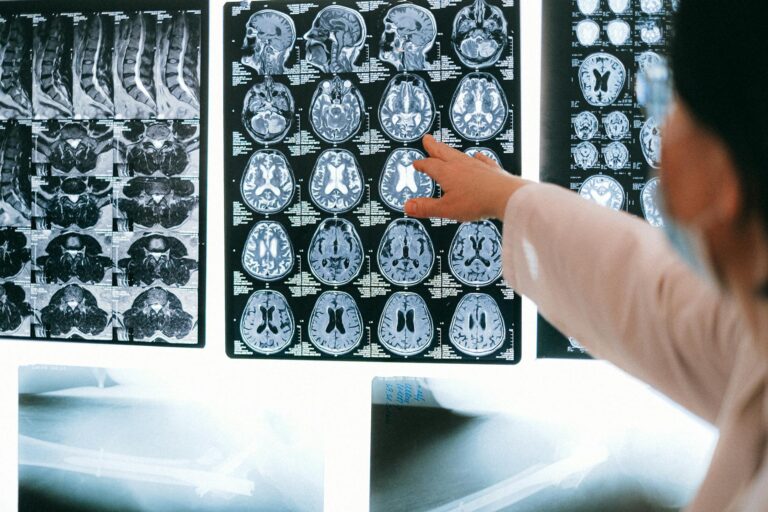
Alcohol has a profound and complex impact on the brain, especially as it ages. While moderate alcohol consumption is often socially accepted and sometimes even touted for certain health benefits, the truth about alcohol’s effect on brain aging reveals a far more concerning picture. Alcohol accelerates brain aging by damaging neurons, impairing synaptic connections, promoting inflammation, and increasing vulnerability to neurodegenerative diseases like Alzheimer’s.
One of the most significant ways alcohol harms the aging brain is through its effect on **neuronal structure and function**. Neurons communicate via synapses—specialized junctions that allow signals to pass from one neuron to another. Alcohol disrupts this process by impairing synaptic maturation and plasticity. This disruption is particularly harmful during critical periods of brain development but continues into adulthood and old age, leading to deficits in attention, memory, and cognitive flexibility. Over time, these synaptic impairments contribute to cognitive decline commonly seen in older adults who consume alcohol regularly.
Heavy or chronic drinking causes **diffuse cerebral volume loss**, meaning widespread shrinkage of brain tissue occurs due to neuronal death or atrophy. This shrinkage reduces overall brain size and impairs functions such as memory formation, executive functioning (planning and decision-making), motor coordination, and emotional regulation. The mechanism behind this volume loss includes reduced cerebral blood flow caused by alcohol’s toxic effects on blood vessels in the brain; less blood flow means less oxygen delivery leading to hypoxic damage—a state where neurons are starved of oxygen—and eventual cell death.
Alcohol also triggers **neuroinflammation**, which plays a crucial role in accelerating age-related neurodegeneration. Microglia—the immune cells of the central nervous system—become activated after prolonged ethanol exposure but may fail at their normal protective roles such as clearing amyloid plaques associated with Alzheimer’s disease (AD). Instead of protecting neurons from damage or removing toxic proteins effectively, these microglia can become dysfunctional or overly inflammatory under influence from ethanol exposure early in life or during disease progression stages.
In fact, studies using animal models have shown that binge-like drinking patterns increase amyloid plaque accumulation—a hallmark feature of AD—in vulnerable regions like the hippocampus responsible for memory consolidation. This suggests that excessive alcohol intake not only damages existing neural circuits but also worsens pathological processes underlying dementia development if started before symptoms appear.
Even moderate drinking has been linked with subtle yet measurable changes related to **synaptic dysfunction** detectable through cerebrospinal fluid biomarkers indicative of early neurodegeneration signs before clinical symptoms arise. These effects appear more pronounced among women than men according to recent research examining sex differences in how alcohol impacts markers associated with Alzheimer’s pathology such as tau proteins involved in stabilizing neuronal microtubules.
The threshold for harm may be surprisingly low: emerging evidence indicates that consuming just eight alcoholic drinks per week can cause permanent cognitive decline over time due to cumulative damage inflicted upon delicate neural networks responsible for learning ability and memory retention.
Taken together:
– Alcohol impairs communication between neurons by disrupting synapse formation.
– It reduces overall brain volume through hypoxia-induced neuronal loss.
– It promotes chronic inflammation via dysfunctional immune responses within the CNS.
– It accelerates accumulation of toxic proteins linked with dementia.
– Even moderate consumption poses risks especially later in life or when combined with other vulnerabilities like genetic predisposition.
Understanding these mechanisms highlights why avoiding excessive drinking throughout life is critical for preserving cognitive health into old age rather than relying on myths about “healthy” levels or types of alcoholic beverages being harmless—or beneficial—for your mind over time.
The truth about alcohol’s relationship with an aging brain is clear: it hastens deterioration rather than protects against it; it undermines resilience instead of fostering longevity; it damages fundamental cellular processes essential for maintaining mental sharpness well beyond middle age into senior years where quality cognition matters most deeply for independence and well-being across decades lived fully awake inside our minds’ vast landscapes shaped by every choice we make—including what we drink daily or weekly throughout ou