### The Silent Way Your Favorite Candle Could Be Clouding Your Brain
When you light a candle, it’s not just the warm glow that you’re enjoying. The smoke from the candle can have a subtle but significant impact on your brain and overall health. Here’s how it works and what you can do to minimize the effects.
### What’s in the Smoke?
Candle smoke is a mixture of gases and tiny particles that come from the burning wax. These particles, known as particulate matter (PM), are particularly small and can easily be inhaled. PM2.5, which includes ultrafine particles, is especially concerning because it can penetrate deep into your lungs and even enter your bloodstream.
### How Does It Affect You?
1. **Respiratory System**: When you breathe in candle smoke, the tiny particles can irritate your respiratory tract, leading to inflammation and symptoms like coughing and shortness of breath. Chronic exposure can increase the risk of asthma, chronic obstructive pulmonary disease (COPD), and lung infections.
2. **Cardiovascular System**: The fine particles in candle smoke can trigger systemic inflammation and oxidative stress, which raises the risk of heart attacks, strokes, and other cardiovascular events. This is because the particles can enter your bloodstream and cause widespread inflammation.
3. **Immune System**: Chronic exposure to candle smoke weakens your immune system by increasing systemic inflammation and suppressing the efficiency of immune cells. This makes you more susceptible to infections, including respiratory viruses.
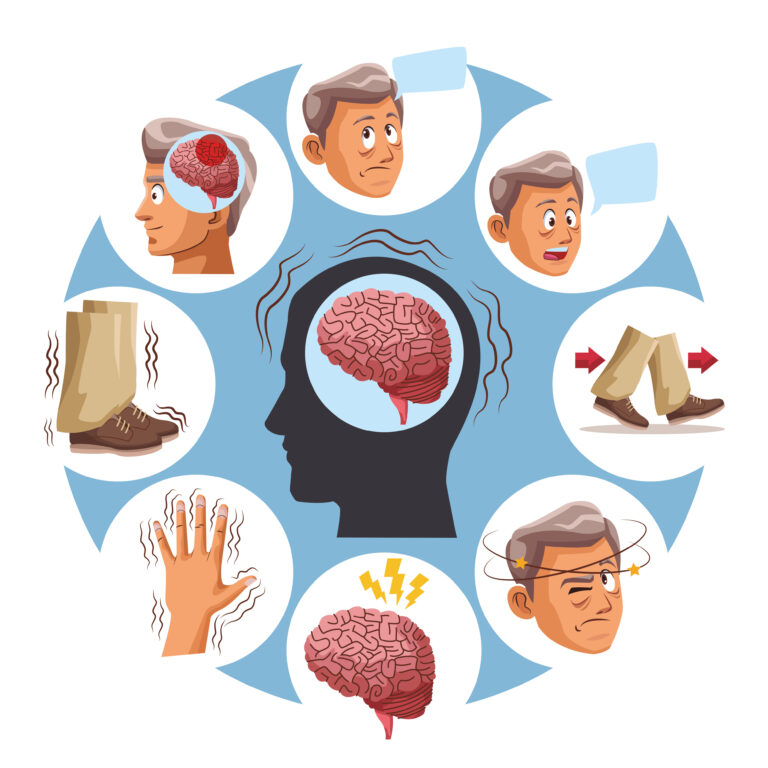
4. **Brain Health**: The brain is particularly vulnerable to the effects of candle smoke due to its high oxygen demand and susceptibility to oxidative stress. Neuroinflammation—a condition where the brain’s immune cells become overactive—is a common response to pollutants like PM2.5. This can exacerbate conditions such as anxiety, depression, and cognitive decline.
### Long-Term Effects
Prolonged exposure to candle smoke has been linked to a range of long-term health issues, including:
– **Cognitive Decline**: Long-term exposure to fine particulate matter has been linked to accelerated brain aging and an increased risk of Alzheimer’s disease.
– **Mood Disorders**: Inhalation of smoke-related pollutants can trigger neurological pathways leading to heightened anxiety and depressive symptoms.
– **Behavioral Issues**: Exposure to certain air pollutants may increase violent behavior.
– **Developmental Concerns**: Children exposed to candle smoke during critical developmental periods may experience neurological deficits with associated brain changes.
### Protecting Yourself
While it’s not possible to completely eliminate the risks associated with candle smoke, there are steps you can take to minimize its impact:
1. **Monitor Air Quality**: Use apps or websites like AirNow to monitor local air quality indices (AQI). Stay indoors when AQI levels are high, especially if they exceed 150 (considered unhealthy for sensitive groups).
2. **Optimize Indoor Air Quality**:
– **Use Air Purifiers**: Install air purifiers with HEPA filters to remove PM2.5 and other harmful particles.
– **Seal Your Home**: Seal windows and doors with weather stripping to prevent smoke infiltration.
– **Avoid Indoor Pollutants**: Avoid activities that can worsen indoor air quality, such as burning incense or using aerosol sprays.
3. **Wear Protective Gear**: When venturing outside, wear a well-fitting N95 respirator mask to filter out smoke particles. Cloth masks and dust masks are not effective in protecting against fine particulate matter.
4. **Stay Hydrated and Healthy**:
– **Eat a Balanced Diet**: Maintain a healthy diet, such as a Mediterranean diet, to help your body cope with the pollutants.
– **Stay Hydrated**: Drink plenty of water to keep your respiratory system functioning properly.
By understanding the risks associated with candle smoke and taking simple precautions, you can enjoy the ambiance of your candles while minimizing the potential harm to your brain and body.