**The Silent Rise of “Gamer Dementia” in Fortnite-Addicted Teens**
In recent years, a growing concern has emerged about the impact of video games on teenagers, particularly those who are deeply involved in games like Fortnite. While Fortnite is a popular game that many enjoy, there is a darker side to its addictive nature. This phenomenon is often referred to as “gamer dementia,” a term that captures the mental health issues and physical problems that can arise from excessive gaming.
### What is Gamer Dementia?
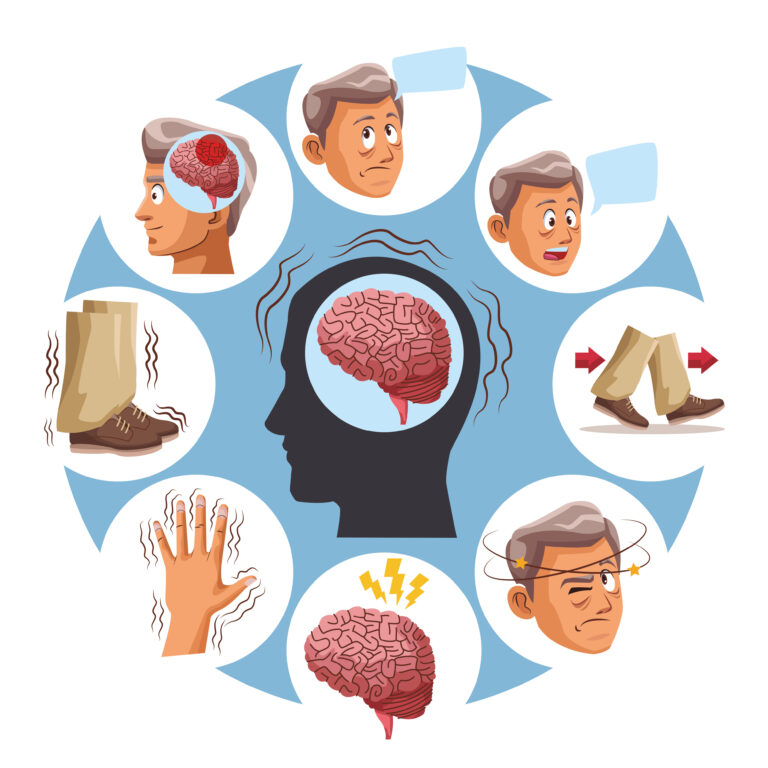
Gamer dementia is not a formal medical term, but it describes the range of mental and physical health issues that can develop in teenagers who spend an inordinate amount of time playing video games. These issues can include anxiety, depression, social withdrawal, and even physical problems like eye strain and poor posture.
### How Does Fortnite Contribute to Gamer Dementia?
Fortnite, like many other video games, uses psychological tactics to keep players engaged. Features such as loot boxes, in-game purchases, and reward systems are designed to trigger emotional responses and encourage continuous play. For example, the game’s use of variable reward systems, where players are given unpredictable rewards, can make it difficult for them to stop playing once they start.
Additionally, Fortnite’s competitive nature and social pressures can drive players to spend more time in the game. The desire to keep up with peers and unlock exclusive items fuels this compulsive behavior, ensuring players remain invested in the game and its ever-evolving content.
### Mental Health Effects
Excessive gaming can have devastating impacts on mental health. Teenagers who spend hours playing Fortnite may experience anxiety and depression as they become increasingly isolated from friends and family. Social withdrawal is common, with many preferring the virtual world over real-world interactions. This isolation can lead to emotional instability as children struggle to balance their virtual lives with their real-world responsibilities.
Behavioral issues such as Attention Deficit Hyperactivity Disorder (ADHD) and oppositional defiant disorder (ODD) are also associated with excessive gaming. The constant stimulation and instant rewards provided by games can make it difficult for children to focus on tasks that don’t offer the same immediate gratification, worsening symptoms of inattention and impulsivity.
### Physical Health Problems
The physical toll of gaming addiction is often overlooked but equally concerning. Conditions like “gamer’s thumb” and carpal tunnel syndrome arise from repetitive strain on the hands and wrists. Eye strain and computer vision syndrome are common, caused by prolonged screen exposure. Poor posture is another issue, as many young gamers spend hours slouched in chairs. Over time, this can lead to musculoskeletal problems, including back and neck pain.
### The Role of Parents and Guardians
Parents and guardians play a crucial role in addressing the issue of gamer dementia. They need to be aware of the signs of excessive gaming, such as spending more than 4-6 hours a day playing video games, neglecting homework and other responsibilities, and showing signs of emotional instability.
If you suspect that your child is addicted to Fortnite or any other video game, it is essential to take action. Here are some steps you can take:
1. **Set Limits**: Establish rules and limits on gaming time to ensure your child has time for other activities.
2. **Monitor Behavior**: Keep an eye on your child’s behavior and look for signs of addiction.
3. **Encourage Balance**: Encourage your child to engage in other activities like sports, reading, or spending time with friends.
4. **Seek Professional Help**: If you feel that your child’s addiction is severe, consider seeking professional help from a therapist or counselor.
### Conclusion
The rise of gamer dementia in Fortnite-addicted teens is a serious issue that requires attention from both parents and the gaming industry. By understanding the psychological and physical effects of excessive gaming, we can take steps to protect our children’s mental and physical health. It is crucial to recognize the signs of addiction and take action early to prevent long-term damage