**The Silent Rise of Burnout Dementia in 30-Something Overachievers**
Burnout, a state of emotional, physical, and mental exhaustion caused by prolonged stress, has become a growing concern among overachievers in their 30s. While burnout is often associated with long working hours and high-pressure jobs, it can also stem from other demanding roles like parenting or caregiving. However, a new phenomenon is emerging: “Burnout Dementia.”
### What is Burnout Dementia?
Burnout dementia is not a formally recognized medical condition, but it shares many symptoms with dementia. It occurs when prolonged burnout leads to a gradual decline in mental and physical health, similar to the early stages of dementia. The key difference is that burnout dementia is caused by external stressors like work, parenting, or caregiving tasks, rather than the genetic, psychological, and environmental factors that contribute to traditional dementia.
### Early Signs of Burnout Dementia
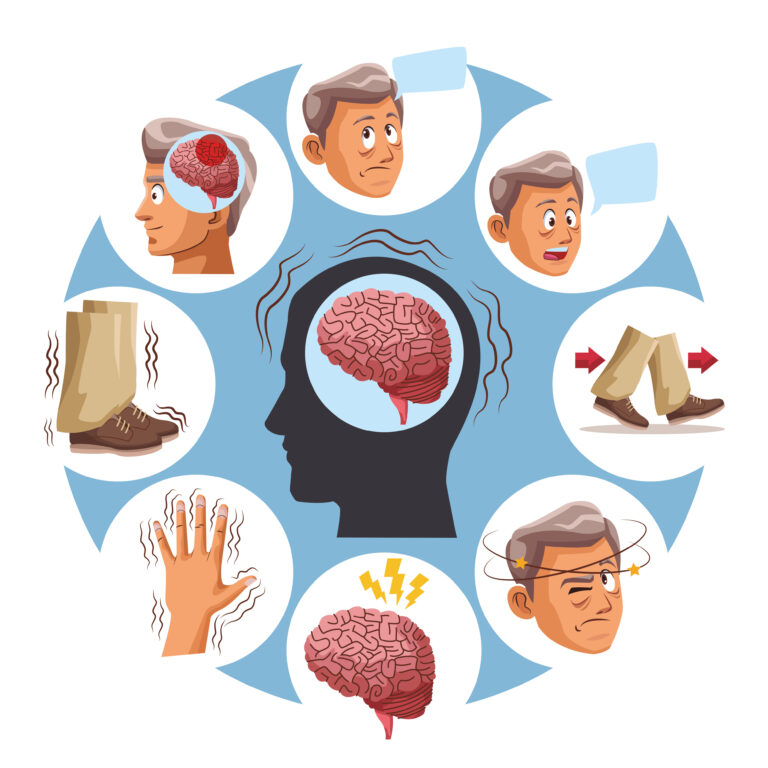
The early signs of burnout dementia can be subtle and often overlap with other conditions like depression. Here are some common indicators:
– **Memory Issues**: Forgetting recent events, struggling to remember names of objects, or asking the same question repeatedly.
– **Fatigue and Lack of Motivation**: Feeling consistently tired, lacking the energy to engage in hobbies or activities, and experiencing a general sense of emptiness.
– **Communication Problems**: Pausing during conversations, struggling to find the right words, or having difficulty putting sentences together.
– **Planning and Problem-Solving Issues**: Missing appointments, struggling with finances, and showing confusion about daily tasks.
– **Emotional Changes**: Experiencing low mood, anxiety, and becoming increasingly withdrawn.
### How Burnout Dementia Develops
Burnout dementia typically follows a gradual progression, similar to the stages of burnout:
1. **Honeymoon Phase**: Initially, you feel committed and eager to take on new responsibilities. You might feel creative and productive.
2. **Stress Onset**: As the demands of your role increase, you start to neglect your self-care. This leads to decreased sleep quality, increased anxiety, irritability, headaches, and fatigue.
3. **Chronic Stress**: You become consistently tired, cynical, and apathetic. Social issues arise, and you might withdraw from others or feel resentful.
4. **Burnout**: At this stage, you feel pessimistic about the future and obsessed with any problems that arise. Your personal health declines, leading to physical issues like gastrointestinal problems and chronic headaches.
5. **Habitual Burnout**: Your sense of well-being reaches a low point. You are always sad, mentally and physically fatigued, and depression may develop.
### Preventing Burnout Dementia
While burnout dementia is not a formally diagnosed condition, recognizing its early signs can help prevent its progression. Here are some strategies to manage stress and prevent burnout:
– **Self-Care**: Prioritize activities that promote relaxation and well-being, such as exercise, meditation, or hobbies.
– **Time Management**: Learn to delegate tasks and set realistic goals to avoid overcommitting.
– **Seek Support**: Engage in open conversations with friends, family, or a mental health professional about your stress levels and emotional state.
– **Take Breaks**: Regularly take time off from work or caregiving tasks to recharge.
### Conclusion
Burnout dementia is a silent threat to the mental and physical health of overachievers in their 30s. By recognizing the early signs and taking proactive steps to manage stress, we can prevent this condition from developing. It is crucial to address burnout before it leads to more severe health issues. By prioritizing self-care and seeking support, we can maintain our well-being and avoid the gradual decline associated with burnout dementia.