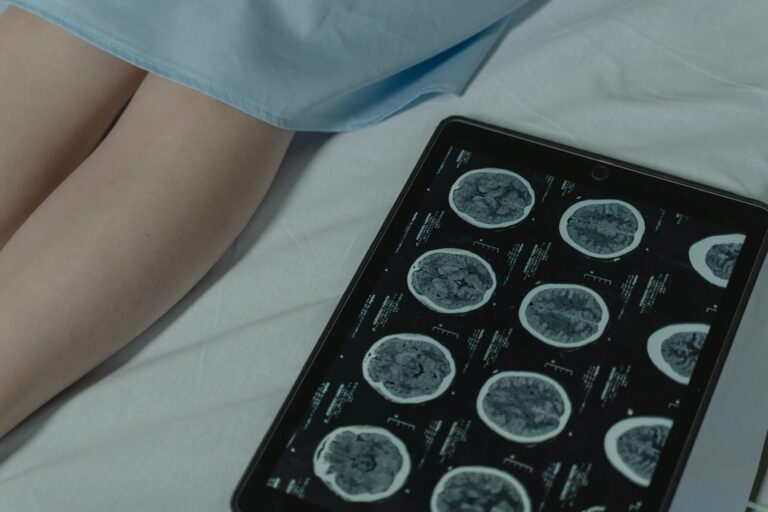
Machine learning is playing a significant role in predicting dementia risk by analyzing various factors and data types. This technology uses algorithms to identify patterns in large datasets, which can help in early detection and management of dementia.
### How Machine Learning Works in Dementia Prediction
Machine learning models are developed using data from clinical studies and patient records. These models can analyze a wide range of factors, including age, cognitive function, lifestyle, and medical history. For instance, a recent study used data from the UK Biobank to develop a model that predicts dementia risk in patients with atherosclerotic cardiovascular disease (ASCVD). This model incorporates factors like age, cognitive performance, and health indicators to estimate the likelihood of developing dementia[1].
### Types of Data Used
Machine learning models for dementia prediction often combine different types of data:
– **Clinical Data**: This includes medical history, cognitive test results, and biomarkers.
– **Imaging Data**: Techniques like MRI scans can provide valuable insights into brain health.
– **Lifestyle and Demographic Data**: Factors such as age, sex, and lifestyle habits are also considered.
### Benefits of Machine Learning in Dementia Prediction
1. **Early Detection**: Machine learning can help identify individuals at risk of dementia earlier than traditional methods, allowing for timely interventions.
2. **Personalized Care**: By analyzing individual data, these models can provide personalized risk assessments and treatment plans.
3. **Improved Accuracy**: Over time, as more data is collected, machine learning models can become more accurate in predicting dementia risk.
### Future Directions
Future research aims to integrate more diverse data types, such as genetic information and environmental factors, to further enhance the accuracy of dementia risk predictions. Additionally, studies are exploring how machine learning can be applied across different populations to ensure that predictive models are effective for everyone, regardless of race or ethnicity[2][3].
In summary, machine learning is revolutionizing the field of dementia prediction by providing powerful tools for early detection and personalized care. As technology advances, we can expect even more sophisticated models that will help manage and potentially prevent dementia.