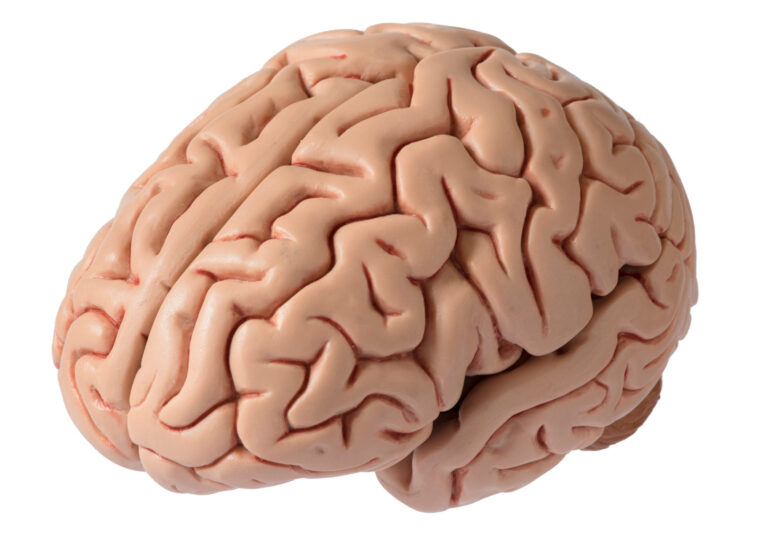
### The Overlooked Link Between Breakfast Skipping and Midday Neural Fog
When you skip breakfast, you might think it’s just a minor setback, but it can have a significant impact on your brain function. Let’s explore how skipping breakfast can lead to midday neural fog and what you can do to avoid it.
#### How Breakfast Affects Your Brain
Your brain relies heavily on glucose for energy. Glucose is a type of sugar that your body converts from the food you eat. When you skip breakfast, your blood sugar levels drop, and your brain doesn’t get the energy it needs. This can lead to a condition known as hypoglycemia, or low blood sugar, which affects your concentration and focus.
#### The Consequences of Skipping Breakfast
When you don’t eat breakfast, you might feel fine at first, but as the morning wears on, you may start to feel sluggish and tired. This is because your brain is not getting the fuel it needs to function properly. Here are some common symptoms of skipping breakfast:
– **Reduced Concentration**: You might find it harder to focus on your work or studies.
– **Fatigue**: You may feel tired and lethargic, which can make it difficult to perform daily tasks.
– **Mood Swings**: Skipping breakfast can lead to irritability and mood swings.
#### What to Eat for Breakfast
Eating a balanced breakfast is crucial to maintaining stable blood sugar levels throughout the morning. Here are some tips for a nutritious breakfast:
– **Complex Carbohydrates**: Foods like oatmeal, quinoa, and whole-grain bread provide sustained energy without the energy crashes associated with simple sugars.
– **Protein**: Adding protein sources like eggs, nuts, or Greek yogurt helps keep you full and supports brain health.
– **Healthy Fats**: Nuts, seeds, and avocado provide healthy fats that support brain cell structure and communication.
#### Snacking Strategies
If you can’t eat a full meal, consider snacking on nutrient-dense foods every 3-4 hours. Here are some snack ideas:
– **Fruit and Nut Butter**: Pairing fruit with nut butter like almond butter or peanut butter provides quick energy and keeps your blood sugar stable.
– **Yogurt with Berries**: Greek yogurt with fresh berries is rich in protein and probiotics, supporting gut health and cognitive function.
– **Mixed Nuts and Seeds**: A handful of mixed nuts and seeds is a convenient snack that provides healthy fats, magnesium, and vitamin E.
#### Managing Midday Neural Fog
If you find yourself experiencing midday neural fog despite eating breakfast, there are a few strategies you can try:
– **Stay Hydrated**: Dehydration can exacerbate fatigue and reduce focus. Keep a water bottle with you throughout the day.
– **Take Breaks**: Short breaks to stretch, do some light exercise, or practice breathing exercises can help lower cortisol levels and reduce stress-driven cravings.
– **Avoid Heavy Meals**: Large, heavy meals can lead to sluggishness. Opt for balanced portions and include a mix of protein, fiber, and healthy fats.
### Conclusion
Skipping breakfast might seem like a minor oversight, but it can significantly impact your brain function and lead to midday neural fog. By incorporating complex carbohydrates, protein, and healthy fats into your breakfast, you can maintain stable blood sugar levels and support your brain’s energy needs. Remember to snack regularly and stay hydrated to keep your mind sharp and focused throughout the day.