The connection between head injuries and the risk of developing dementia is a complex and increasingly studied area in neuroscience and medicine. Head injuries, especially traumatic brain injuries (TBI), can have lasting effects on brain function that may increase the likelihood of cognitive decline and dementia later in life.
Traumatic brain injury occurs when an external force causes damage to the brain, such as from a blow, jolt, or penetrating wound to the head. TBIs vary widely in severity—from mild concussions to severe injuries causing long-term disability or death. The impact of TBI on brain health can be immediate but also progressive over years or decades.
One key way head trauma contributes to dementia risk is through repeated injury. Conditions like chronic traumatic encephalopathy (CTE) are linked specifically to multiple blows to the head over time, often seen in athletes involved in contact sports such as boxing, football, rugby, and hockey. CTE is a neurodegenerative disease characterized by abnormal accumulation of tau protein in the brain leading to symptoms including memory loss, mood changes, behavioral problems, impaired thinking abilities, and eventually dementia-like states. This disease worsens progressively with time after repeated trauma.
Even single incidents of moderate or severe TBI have been associated with increased risk for Alzheimer’s disease and other dementias later on. The mechanisms behind this link include:
– **Neuroinflammation:** Injury triggers inflammation that may persist chronically damaging neurons.
– **Protein abnormalities:** Trauma can lead to abnormal buildup of proteins like tau and beta-amyloid plaques—hallmarks found in Alzheimer’s disease brains.
– **Neuronal loss:** Direct damage kills neurons reducing overall brain reserve capacity needed for cognition.
– **Viral reactivation:** Recent research suggests that head trauma might reactivate dormant viruses such as herpes simplex virus within the brain which could accelerate neurodegeneration processes similar to those seen in Alzheimer’s pathology.
Genetic factors also influence how much a person’s risk increases after TBI; for example certain variants like APOE ε4 allele appear to exacerbate vulnerability by affecting amyloid processing post-injury.
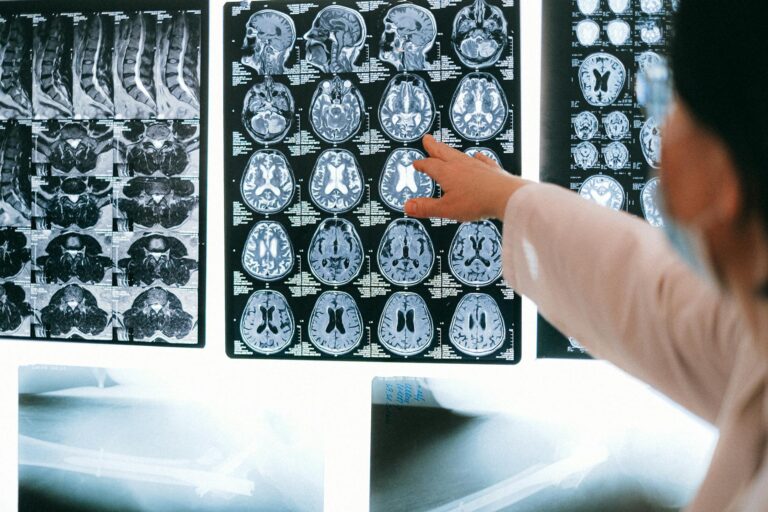
Brain imaging studies show changes consistent with early neuronal damage even before clinical symptoms arise among individuals who experienced TBIs but remain cognitively normal initially. These subtle biochemical alterations hint at ongoing pathological processes triggered by injury that set off cascades leading toward cognitive decline decades later.
Importantly though not everyone who suffers a head injury develops dementia—risk depends on many variables including severity/frequency of trauma; age at injury; genetic predispositions; lifestyle factors such as exercise or diet; presence of other medical conditions; plus possible interventions during recovery phase aimed at reducing inflammation or promoting neuronal repair pathways.
Preventive measures focus heavily on minimizing risks for initial injuries through safety equipment use (helmets), rule changes limiting exposure especially repetitive impacts during sports participation—and improving acute care management immediately following any TBI event so secondary damage is minimized while supporting optimal healing environments within neural tissue.
In summary: Head injuries disrupt normal brain structure/function initiating biological cascades involving inflammation, protein misfolding/aggregation (tauopathy), viral interactions possibly reactivated by mechanical stress—all contributing cumulatively over years toward increased susceptibility for various forms of dementia including Alzheimer’s disease and chronic traumatic encephalopathy among others. Understanding these links better opens avenues not only for prevention but also potential therapeutic targets aiming at halting progression once early signs emerge following traumatic insults sustained earlier in life.