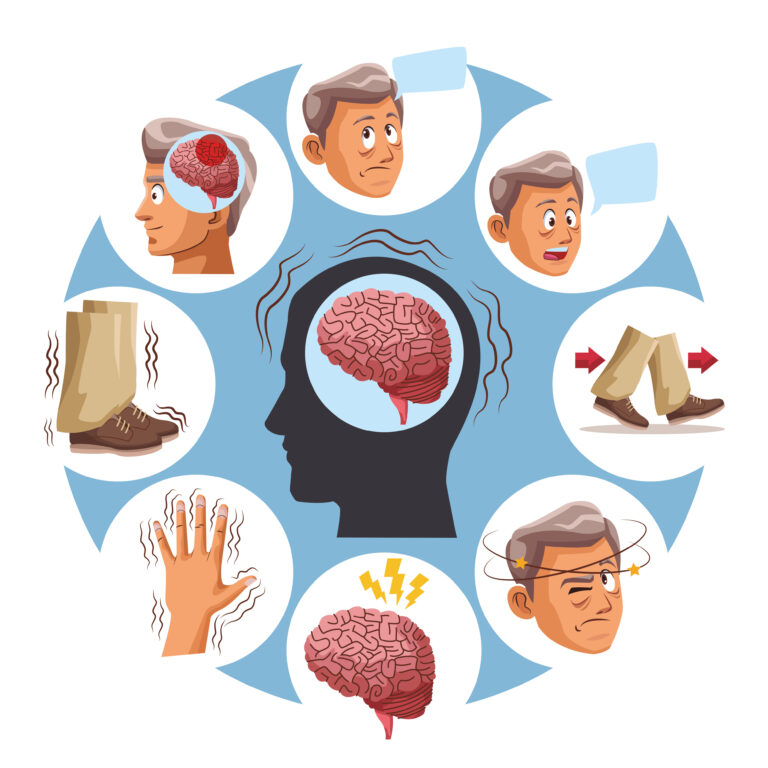
As we age, our memories may start to fade and our minds may not function the way they used to. This is especially true for individuals with dementia, a condition characterized by a decline in cognitive abilities such as memory, thinking, and problem-solving. Dementia can have a significant impact on a person’s life, making everyday tasks challenging and causing feelings of confusion and anxiety. However, there is one powerful tool that can help alleviate these symptoms and bring comfort to those living with dementia – storytelling.
Storytelling has been an integral part of human communication since the beginning of time. It is a way for us to share our experiences, beliefs, and emotions with others. But for individuals with dementia, storytelling takes on a whole new level of significance. Let’s explore the importance of storytelling for dementia patients and how it can positively impact their lives.
1. Enhances Memory
One of the key challenges faced by individuals with dementia is memory loss. They may struggle to recall familiar faces, names, and events from their past. However, storytelling allows them to relive those memories through vivid narratives. By listening to stories from their past, dementia patients can reconnect with their memories and retain them for longer periods.
Moreover, storytelling can also stimulate the brain and improve cognitive function in individuals with dementia. As they listen to a story, their brain is engaged in processing the information, which can help boost memory retention.
2. Boosts Communication
Communication can become difficult for individuals with dementia as the condition progresses. They may struggle to express themselves and make sense of what others are saying. This can cause frustration and isolation, leading to a decline in their overall well-being.
Storytelling provides a platform for individuals with dementia to express themselves and communicate their thoughts and feelings. The simple act of listening to a story can open up channels of communication and help them connect with others on a deeper level. Storytelling also encourages active listening, which can improve their ability to comprehend and respond to others.
3. Provides Comfort and Connection
For individuals with dementia, the world can be a confusing and overwhelming place. They may struggle to make sense of their surroundings and the people around them. Storytelling provides a sense of familiarity and comfort to individuals with dementia, creating a safe and secure environment for them.
Listening to stories from their past can evoke positive emotions and help them connect with their identity and personal history. This can bring a sense of belonging and purpose, boosting their self-esteem and overall well-being.
4. Promotes Creativity and Imagination
Storytelling is not only about listening to stories but also about creating them. Engaging in storytelling activities can stimulate the creative and imaginative abilities of individuals with dementia. It allows them to tap into their inner thoughts and emotions and express them in a meaningful way.
Moreover, storytelling can also be a collaborative activity, involving family members, caregivers, or other individuals. This creates an opportunity for social interaction and promotes a sense of community for the individual with dementia.
5. Reduces Stress and Anxiety
Living with dementia can be stressful and overwhelming for both the individual and their loved ones. The constant changes in cognitive abilities and the need for constant care can cause feelings of anxiety and fear.
Storytelling provides a therapeutic outlet for individuals with dementia to express their emotions and reduce stress. It can also serve as a distraction from negative thoughts and feelings, providing a sense of calmness and relaxation.
In conclusion, storytelling has the power to positively impact the lives of individuals with dementia. It provides a means for them to preserve their memories, communicate, and find comfort in their identity. So, whether you are a family member, caregiver, or healthcare professional, incorporating storytelling into the daily routine of a person living with dementia can make a world of difference in their quality of life.