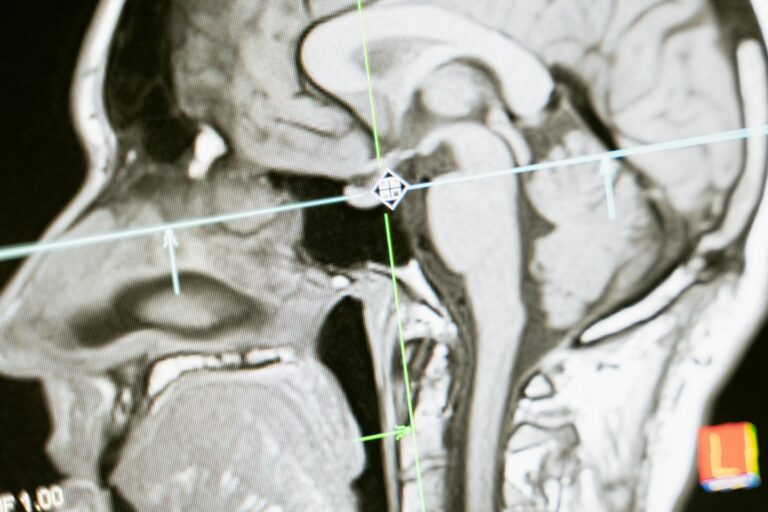
Physical therapy plays a crucial role in the rehabilitation of individuals with dementia. It not only helps improve physical abilities but also enhances cognitive functions and overall quality of life. In this article, we will explore how physical therapy contributes to dementia rehabilitation and why it is an essential part of a comprehensive care plan.
### Physical Therapy and Cognitive Function
Physical therapy is not just about improving physical strength and mobility; it also has a positive impact on cognitive functions. Studies have shown that exercise therapy can enhance cognitive abilities by stimulating neurons and promoting blood flow to the brain. This can lead to improved memory, attention, and executive functions, which are often affected in individuals with dementia[1][5].
### Types of Physical Therapies for Dementia
Several types of physical therapies are beneficial for dementia patients, including exercise therapy, Tai chi, and cognitive training combined with physical activities. Exercise therapy, for instance, helps improve physical strength and balance, which are essential for maintaining independence. Tai chi, a traditional Chinese exercise, combines physical movement with meditation and breathing techniques, making it particularly suitable for older adults due to its slow and safe nature. It has been shown to improve cognitive function and reduce the risk of falls[2][3].
### Benefits of Physical Therapy in Dementia Rehabilitation
Physical therapy offers numerous benefits for individuals with dementia:
1. **Improved Mobility and Independence**: By enhancing physical strength and balance, physical therapy helps individuals with dementia perform daily activities more effectively, thus maintaining their independence[3].
2. **Cognitive Enhancement**: Physical activities that stimulate cognitive functions can slow down cognitive decline and improve mental clarity[3][5].
3. **Emotional Well-being**: Engaging in physical therapy can boost mood and reduce agitation, contributing to a better quality of life[3].
4. **Confidence Boost**: As individuals achieve small improvements in their physical abilities, they experience a sense of accomplishment, which positively affects their self-esteem and mental health[3].
### Personalized Care
Physical therapy for dementia patients is most effective when it is personalized to meet individual needs. Therapists work closely with patients to develop tailored exercise programs that address specific symptoms such as fatigue, balance issues, and muscle weakness. This approach ensures that each patient receives the most appropriate care to manage their unique challenges[3].
### Conclusion
Physical therapy is a vital component of dementia rehabilitation, offering a holistic approach that addresses both physical and cognitive needs. By incorporating physical therapy into care plans, individuals with dementia can experience improved mobility, enhanced cognitive function, and a better quality of life. As research continues to uncover the benefits of physical therapy, it is clear that this approach will remain a cornerstone