The Future of PET Scans in Alzheimer’s Diagnosis
Alzheimer’s disease is a complex condition that affects millions of people worldwide. Diagnosing it accurately and early is crucial for effective management and treatment. One of the key tools in this process is Positron Emission Tomography (PET) scans. Over the years, PET scans have evolved significantly, offering new insights into the disease and its progression.
### Amyloid PET Scans
Amyloid PET scans are used to detect amyloid plaques in the brain, a hallmark of Alzheimer’s disease. These scans have become more important with the approval of anti-amyloid treatments like lecanemab and donanemab. They help confirm whether a patient’s brain has the target for these therapies, making them a valuable tool before starting treatment. Additionally, amyloid PET is useful when other biomarkers, such as cerebrospinal fluid tests, are unclear or do not match the clinical diagnosis.
### Rapid Amyloid PET Scans
Recent studies have shown that rapid amyloid PET scans can provide similar information to traditional glucose metabolism scans (FDG-PET) but in a much shorter time. This could reduce costs and radiation exposure for patients. These rapid scans might replace some of the more time-consuming and expensive tests currently used, making them a promising development in Alzheimer’s diagnosis.
### Tau PET Imaging
Tau PET imaging is another area of advancement. It focuses on detecting tau tangles, another key feature of Alzheimer’s disease. This type of imaging can help differentiate Alzheimer’s from other neurodegenerative conditions, which is often challenging. Combining tau PET with amyloid PET could lead to more accurate diagnoses and better treatment plans.
### Integration with Other Technologies
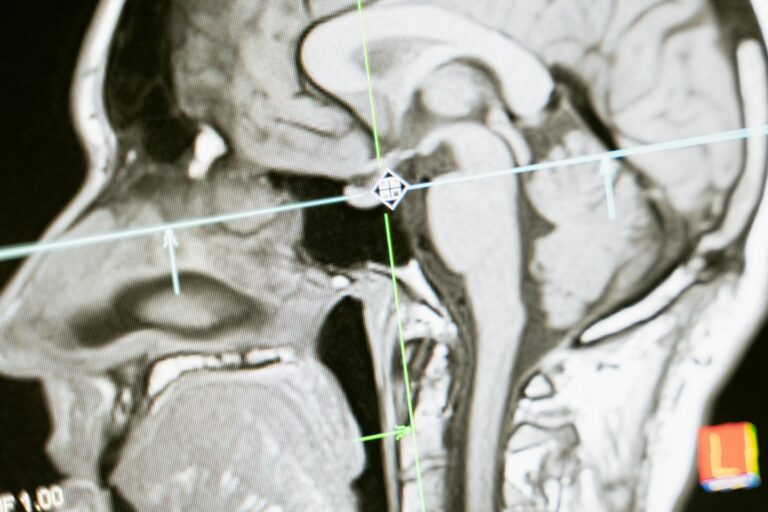
The future of PET scans in Alzheimer’s diagnosis also involves integrating them with other imaging modalities like MRI. This combination can provide a more comprehensive view of the disease, enhancing diagnostic accuracy. Additionally, advancements in artificial intelligence (AI) are being explored to improve PET imaging. AI can help synthesize missing data, reduce the need for expensive scans, and optimize patient selection for clinical trials.
### Emerging Trends and Challenges
As research continues, there is a growing interest in using blood-based biomarkers and AI to predict Alzheimer’s disease early. While these developments are promising, challenges remain, such as the cost and availability of PET scans. However, with ongoing innovations, the hope is that these tools will become more accessible and effective in managing Alzheimer’s disease.
In summary, the future of PET scans in Alzheimer’s diagnosis is bright, with rapid scans, tau imaging, and integration with other technologies offering new possibilities for early detection and treatment. As these advancements continue, they hold the potential to improve patient outcomes and our understanding of this complex disease.