**The Hidden Link Between Perfectionism and Brain Meltdown**
Have you ever felt like you’re constantly on the edge, trying to keep everything perfect and in control? This feeling can be overwhelming and even lead to a mental breakdown. The connection between perfectionism and emotional exhaustion is more than just a coincidence; it’s a complex relationship that can affect anyone.
### What is Perfectionism?
Perfectionism is the desire to achieve flawlessness in everything you do. It’s about striving for the best, no matter the cost. While it might seem like a positive trait, it can actually be very damaging. When you set unrealistically high standards for yourself, you create a lot of stress and pressure.
### The Effects of Perfectionism
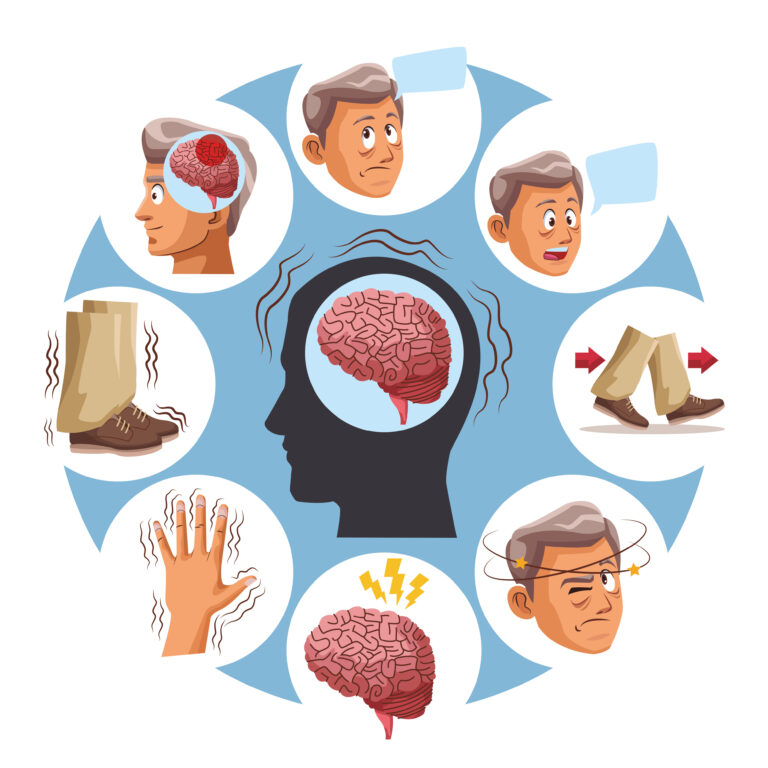
When you’re a perfectionist, you often take on more than you can handle. This can lead to feelings of anxiety, depression, and emotional exhaustion. Here are some common symptoms:
– **Anger and Irritability**: Feeling short-tempered and easily annoyed.
– **Anxiety**: Worrying about making mistakes or not meeting expectations.
– **Depression**: Feeling hopeless and disconnected from others.
– **Cynicism and Pessimism**: Viewing the world in a negative light.
– **Lack of Motivation**: Feeling drained and unable to start tasks.
– **Brain Fog**: Difficulty concentrating and making decisions.
### How Perfectionism Leads to Emotional Exhaustion
Perfectionism can cause you to overwork and overthink. Here are some ways it can lead to emotional exhaustion:
1. **Excessive Stress**: Constantly striving for perfection creates a high level of stress. This stress can build up over time, leading to feelings of being overwhelmed.
2. **Lack of Self-Care**: Perfectionists often neglect their own needs to focus on achieving their goals. This lack of self-care can exacerbate emotional exhaustion.
3. **Unrealistic Expectations**: Setting unattainable standards can lead to disappointment and frustration, which further contribute to emotional exhaustion.
### Real-Life Examples
Perfectionism can affect anyone, regardless of their profession or personal life. Here are some examples:
1. **Workplace Demands**: People in demanding jobs, such as social workers, healthcare professionals, firefighters, and police officers, are more likely to experience emotional exhaustion due to the high pressure and stress they face.
2. **Academic Pressures**: University students often feel the weight of perfectionism, especially when it comes to academic performance. The pressure to achieve high grades can lead to significant stress and emotional exhaustion.
3. **Personal Relationships**: Perfectionists may struggle in their personal relationships because they often have high expectations for themselves and others. This can lead to feelings of disappointment and frustration.
### Managing Perfectionism
While it’s challenging to completely eliminate perfectionism, there are strategies to manage it and reduce the risk of emotional exhaustion:
1. **Set Realistic Goals**: Break down large tasks into smaller, achievable goals. This helps to avoid feeling overwhelmed and allows for more manageable progress.
2. **Practice Self-Care**: Make time for activities that bring you joy and help you relax, such as exercise, meditation, or spending time with loved ones.
3. **Seek Support**: Talk to friends, family, or a therapist about your feelings. Sharing your struggles with others can help you feel less alone and more supported.
4. **Reframe Negative Thoughts**: Challenge negative thoughts by focusing on the positive aspects of your efforts. Remember that mistakes are opportunities for growth and learning.
### Conclusion
Perfectionism can be a powerful force that drives us to achieve great things, but it can also lead to emotional exhaustion and mental health issues. By recognizing the signs of perfectionism and taking steps to manage it, we can reduce the risk of brain meltdown and live a more balanced, fulfilling life.
Remember, it’s okay to make mistakes and not be perfect. Embracing imperfection can