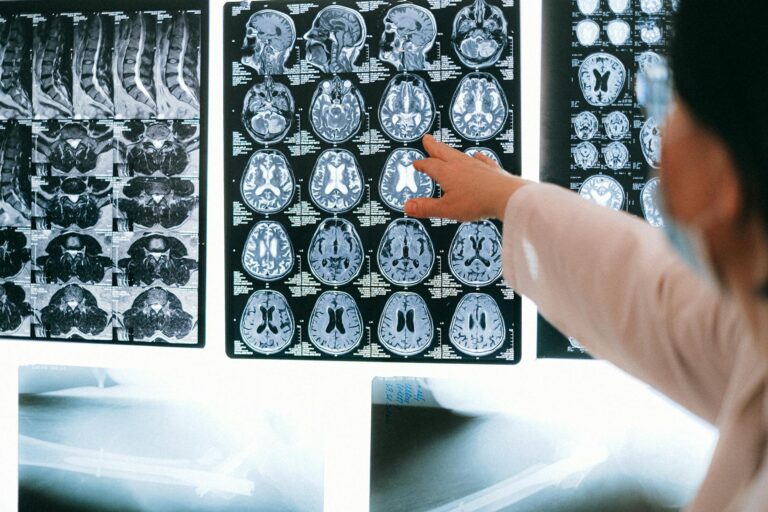
Cerebrovascular disease is a term used to describe a group of conditions that affect the blood vessels supplying the brain. These conditions can range from minor, temporary changes in the vessels to serious, life-threatening events. Cerebrovascular disease is a common cause of disability and death, with around 795,000 cases occurring in the United States each year.
There are several types of cerebrovascular disease, each with its own causes, symptoms, and treatment options. In this article, we will explore the different types of cerebrovascular disease and how they can impact a person’s health.
Ischemic Stroke
The most common type of cerebrovascular disease is an ischemic stroke. This occurs when a blood vessel supplying the brain becomes blocked, preventing oxygen and nutrients from reaching the brain cells. The lack of blood flow can cause brain cells to die, leading to permanent brain damage.
There are two main types of ischemic stroke: thrombotic and embolic. A thrombotic stroke occurs when a blood clot forms in one of the arteries supplying the brain. This type of stroke is often associated with atherosclerosis, a condition where fatty deposits build up in the blood vessels, narrowing them and increasing the risk of blood clots.
On the other hand, an embolic stroke occurs when a blood clot or plaque fragment from another part of the body breaks off and travels to the brain, blocking a blood vessel. The most common source of these clots is the heart, where they can form due to conditions such as atrial fibrillation or heart valve disease.
Hemorrhagic Stroke
Hemorrhagic strokes are less common than ischemic strokes but are often more severe. They occur when a blood vessel in the brain ruptures or leaks, causing bleeding within or around the brain tissue. The sudden increase in pressure can damage brain cells and lead to swelling and increased intracranial pressure, which can be life-threatening.
The two main types of hemorrhagic stroke are intracerebral and subarachnoid. In an intracerebral hemorrhage, a blood vessel within the brain ruptures, causing bleeding within the brain tissue. This is often associated with high blood pressure and can result in permanent brain damage if not treated promptly.
A subarachnoid hemorrhage, on the other hand, occurs when there is bleeding between the brain and the thin membranes that cover it. This type of stroke is often caused by a ruptured aneurysm, a weak spot in a blood vessel that can burst and cause bleeding.
Transient Ischemic Attack (TIA)
A transient ischemic attack (TIA), also known as a mini-stroke, is a temporary blockage of blood flow to the brain. It shares similar symptoms to an ischemic stroke but does not cause permanent brain damage. TIAs are often considered a warning sign of a potential stroke and should be taken seriously.
TIAs occur when there is a temporary reduction in blood flow to the brain, usually caused by a blood clot or plaque fragment. The symptoms may last only a few minutes or up to 24 hours before resolving on their own. However, it is essential to seek medical attention immediately as TIAs can increase the risk of having a full-blown stroke.
Cerebral Aneurysm
A cerebral aneurysm is a weakened area in the wall of a blood vessel in the brain. Over time, the pressure of blood flowing through this weakened area can cause it to bulge out, forming a balloon-like shape. An aneurysm can rupture and cause a hemorrhagic stroke or leak slowly, causing symptoms such as headache, visual changes, and numbness or weakness on one side of the body.
Cerebral aneurysms are often asymptomatic and can be detected incidentally on imaging tests, such as an MRI or CT scan. They can occur due to various factors, including high blood pressure, smoking, and a family history of aneurysms.
Arteriovenous Malformation (AVM)
An arteriovenous malformation (AVM) is an abnormal connection between arteries and veins in the brain. These tangled blood vessels disrupt the normal blood flow and can cause bleeding, brain damage, and seizures. AVMs are rare but can be life-threatening if a rupture occurs.
The exact cause of AVMs is unknown, but they are believed to develop during fetal development or shortly after birth. Symptoms may include headaches, seizures, and weakness or numbness on one side of the body. Treatment options for AVMs include surgery or targeted radiation therapy to remove or close off the abnormal vessels.
Conclusion
Cerebrovascular disease encompasses a wide range of conditions that affect the blood vessels supplying the brain. These conditions can have severe consequences, including stroke, brain damage, and even death. It is crucial to recognize the signs and symptoms of cerebrovascular disease and seek medical attention promptly.
While there are many types of cerebrovascular disease, they share similar risk factors, including high blood pressure, smoking, and a sedentary lifestyle. Making healthy lifestyle choices, such as exercising regularly, eating a balanced diet, and managing any underlying medical conditions, can lower the risk of developing these conditions.
If you or a loved one experience any symptoms of cerebrovascular disease, it is important to seek immediate medical attention. Early detection and treatment can significantly improve outcomes and reduce the risk of complications. With proper management and lifestyle changes, individuals with cerebrovascular disease can live a fulfilling life.