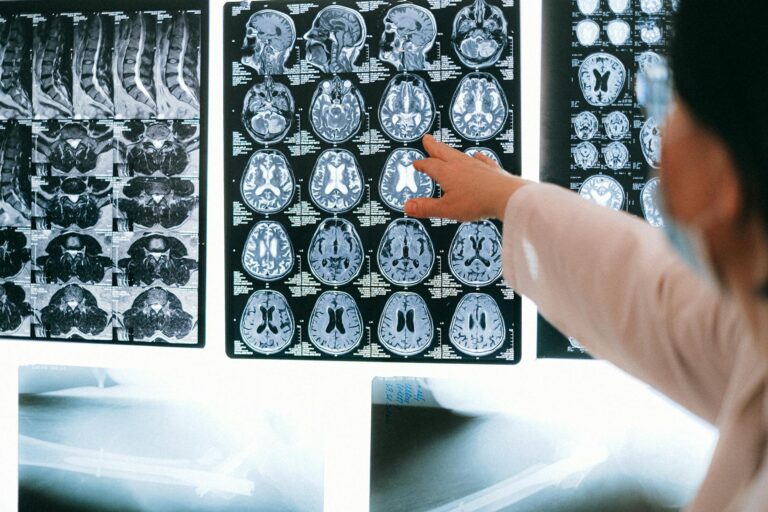
Alzheimer’s disease is a progressive and degenerative brain disorder that affects millions of people worldwide. It is the most common form of dementia, accounting for 60-80% of all dementia cases. Alzheimer’s disease is characterized by memory loss, cognitive decline, and behavioral changes that worsen over time. The disease is named after Dr. Alois Alzheimer, who first described the symptoms of the disease in 1906.
Alzheimer’s disease has three stages: early/mild, middle/moderate, and late/severe. Each stage has its own set of symptoms and challenges, and understanding these stages can help patients and their families prepare for the future and provide appropriate care.
Stage 1: Early/Mild
The early or mild stage of Alzheimer’s disease is often overlooked or misinterpreted as normal age-related memory changes. This stage can last for several years, and the symptoms are usually subtle and may go unnoticed by the affected individual and their loved ones.
Common symptoms include forgetfulness, difficulty remembering recent events or conversations, trouble finding the right words, and getting lost in familiar places. These symptoms may be sporadic at first and can be attributed to stress or fatigue. However, as the disease progresses, these symptoms become more frequent and interfere with daily activities.
At this stage, individuals may also experience changes in mood and personality. They may become more irritable, anxious, or withdrawn. They may also have difficulty with planning, organizing, and completing familiar tasks.
Stage 2: Middle/Moderate
The middle or moderate stage of Alzheimer’s disease is the longest and can last for several years. At this stage, the symptoms become more pronounced and significantly impact the individual’s daily life.
Memory loss worsens, and individuals may have difficulty recognizing family members and friends. They may also struggle with language, making it challenging to communicate effectively. This can lead to frustration and agitation.
In addition to memory and cognitive decline, individuals may also experience behavioral changes. They may become easily agitated, anxious, or aggressive. They may also have trouble sleeping and may wander. As a result, they require constant supervision and care.
Physical changes may also occur at this stage, such as difficulty with coordination and balance, leading to increased risk of falls. They may also have trouble with swallowing and bladder control.
Stage 3: Late/Severe
The late or severe stage of Alzheimer’s disease is the most challenging for the individual and their loved ones. At this stage, individuals are completely dependent on others for their care and cannot communicate or perform basic tasks independently.
Memory loss is severe, and individuals may not recognize their family members or even themselves. They may also experience significant changes in behavior, including aggression, agitation, and hallucinations.
Physical symptoms become more pronounced at this stage, and individuals may lose their ability to walk, sit, or even swallow. They are also at high risk for infections such as pneumonia, which can be life-threatening.
Caring for an individual with late-stage Alzheimer’s disease requires around-the-clock care and support. It can be emotionally and physically draining for caregivers, and seeking outside help is essential for their well-being.
In conclusion, Alzheimer’s disease has three stages: early/mild, middle/moderate, and late/severe. Understanding these stages can help individuals and their families prepare for the future and provide appropriate care at each stage of the disease. While there is currently no cure for Alzheimer’s disease, early diagnosis and intervention can help slow its progression and improve the quality of life for those affected. If you or a loved one are experiencing symptoms of Alzheimer’s disease, it is essential to seek medical attention and support as soon as possible.