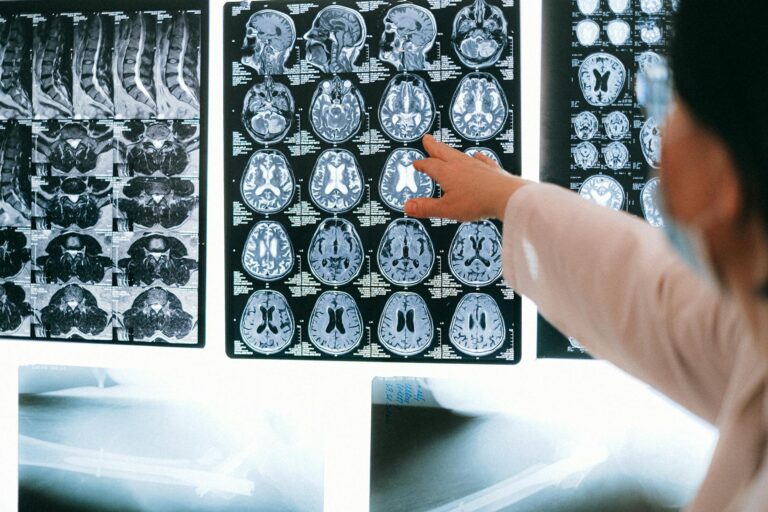
buildup of plaques and tangles
Alzheimer’s disease is a progressive brain disorder that affects millions of people around the world. It is the most common form of dementia, a group of disorders characterized by a decline in memory, thinking, and behavior. While there is still much to learn about this debilitating disease, researchers have identified that its pathology is associated with the buildup of plaques and tangles in the brain.
To understand how Alzheimer’s disease develops, it is important to first have a basic understanding of the brain. The brain is made up of billions of nerve cells, or neurons, that communicate with each other through electrical and chemical signals. These signals are essential for our thoughts, memories, and movements. In Alzheimer’s disease, this communication breaks down due to the formation of abnormal structures in the brain.
The first abnormal structure that is associated with Alzheimer’s disease is called amyloid plaques. These plaques are made up of beta-amyloid proteins that clump together and form a sticky substance. Beta-amyloid is a normal protein in the body, but in Alzheimer’s disease, it becomes misshapen and cannot be broken down and cleared away by the body’s normal processes.
The buildup of these plaques can occur years before any symptoms of Alzheimer’s disease are noticeable. As the plaques accumulate, they begin to disrupt the communication between neurons, causing them to malfunction and eventually die. This leads to memory loss and other cognitive impairments that are characteristic of Alzheimer’s disease.
The second abnormal structure associated with Alzheimer’s disease is called neurofibrillary tangles. These tangles are formed by twisted strands of a protein called tau. Tau is responsible for maintaining the structure and function of neurons. In Alzheimer’s disease, tau becomes misshapen and forms tangles that block the transport of essential nutrients and other substances within the neuron. This leads to the death of neurons and further disrupts communication in the brain.
The formation of both amyloid plaques and neurofibrillary tangles is a normal part of aging. However, in individuals with Alzheimer’s disease, these structures occur in a much higher quantity and in areas of the brain that are critical for memory and cognition.
The exact cause of the abnormal buildup of plaques and tangles is still not fully understood. Researchers believe that a combination of genetic, environmental, and lifestyle factors may play a role. For example, some people may have a genetic predisposition that makes them more susceptible to developing Alzheimer’s disease. Others may have certain lifestyle habits, such as smoking or poor diet, that increase their risk.
The pathology of Alzheimer’s disease also involves inflammation in the brain. As neurons die, the body’s immune system responds by releasing inflammatory chemicals, which can further damage brain cells. This inflammation can also contribute to the formation of plaques and tangles.
Researchers are continuously studying the pathology of Alzheimer’s disease in hopes of finding new treatments and possibly even a cure. While there is currently no cure for Alzheimer’s disease, there are medications that can help manage symptoms and slow down its progression.
In conclusion, the pathology of Alzheimer’s disease is complex and involves the buildup of amyloid plaques, neurofibrillary tangles, and inflammation in the brain. These abnormal structures disrupt communication between neurons, leading to memory loss and cognitive decline. While there is still much to learn about this disease, understanding its pathology is crucial in developing effective treatments and potentially finding a cure.