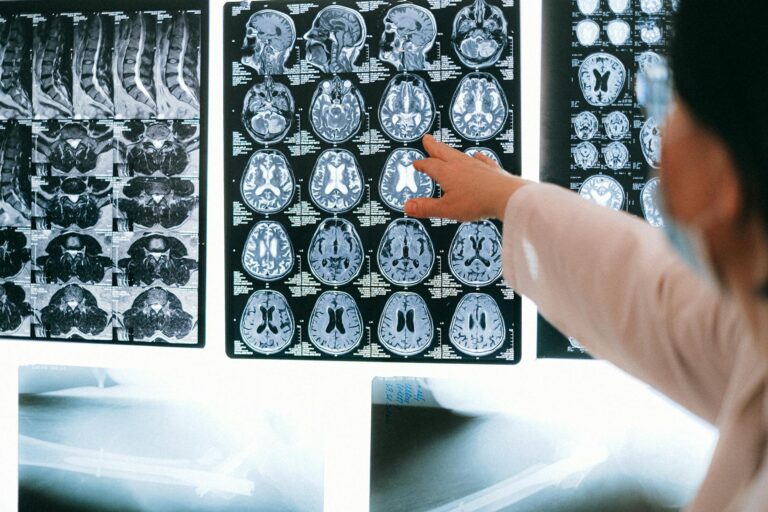
Tau protein disease, also known as tauopathies, is a group of neurodegenerative disorders that are caused by the accumulation of abnormal tau protein in the brain. This buildup of tau protein leads to the formation of tangles, which are twisted fibers that disrupt the normal functions of brain cells. The most common type of tau protein disease is Alzheimer’s disease, but there are several other forms such as frontotemporal dementia, progressive supranuclear palsy, and corticobasal degeneration.
To understand how tau protein disease affects the brain, it’s important to first understand what tau protein is and its role in the body. Tau protein is a naturally occurring protein in the brain that helps stabilize and support the structure of brain cells. It also plays a role in the transport of nutrients and other essential molecules throughout the brain.
In a healthy brain, tau protein is found in a specific shape and form, but in those with tauopathies, it becomes altered and forms into long, tangled fibers. These tangles interfere with the normal functioning of brain cells and ultimately lead to their death. The exact cause for this abnormality is still unknown, but researchers believe it may be caused by genetic mutations or environmental factors.
One of the most well-known forms of tau protein disease is Alzheimer’s disease. In this condition, abnormal tau proteins accumulate in brain regions that control memory and cognition, leading to the classic symptoms associated with Alzheimer’s such as memory loss, confusion, and changes in behavior. As the disease progresses, more brain regions become affected, causing further decline in cognitive abilities.
Frontotemporal dementia is another type of tauopathy that specifically affects the frontal and temporal lobes of the brain. These areas are responsible for personality, behavior, and language, so individuals with this form of tau protein disease may experience changes in their personality, difficulty with speech and language, and impaired decision-making abilities.
Progressive supranuclear palsy (PSP) is a rare disorder that also falls under the category of tauopathies. It is characterized by the buildup of tau protein in the brainstem, which controls important functions like balance, eye movement, and coordination. As a result, individuals with PSP may experience symptoms such as difficulty walking, frequent falls, and problems with eye movements.
Corticobasal degeneration (CBD) is another rare form of tauopathy that affects both the cortex (outer layer) and basal ganglia (deep brain structures). This leads to a range of symptoms such as movement disorders, cognitive decline, and changes in behavior.
While each form of tau protein disease has its own set of symptoms and progression, they all share one common feature – the abnormal accumulation of tau protein in the brain. This leads to the destruction of brain cells and a decline in cognitive function.
Currently, there is no cure for tau protein diseases. Treatment options mainly focus on managing the symptoms and slowing down the progression of the disease. Medications may be prescribed to help with memory and cognition, while physical therapy can aid in improving movement and balance. In some cases, surgery may be recommended to alleviate symptoms, such as deep brain stimulation for individuals with PSP or CBD.
Research is ongoing to better understand the underlying causes of tauopathies and develop effective treatments. Some promising areas of research include developing drugs that can prevent or slow down the formation of abnormal tau protein, as well as using gene therapy to correct genetic mutations that may contribute to these diseases.
In conclusion, tau protein disease is a complex group of neurodegenerative disorders that are caused by the buildup of abnormal tau protein in the brain. While there is currently no cure, continued research and advancements in treatment options offer hope for those affected by these debilitating conditions. If you or a loved one are experiencing symptoms associated with tau protein disease, it is important to seek medical attention for proper diagnosis and management of the disease.