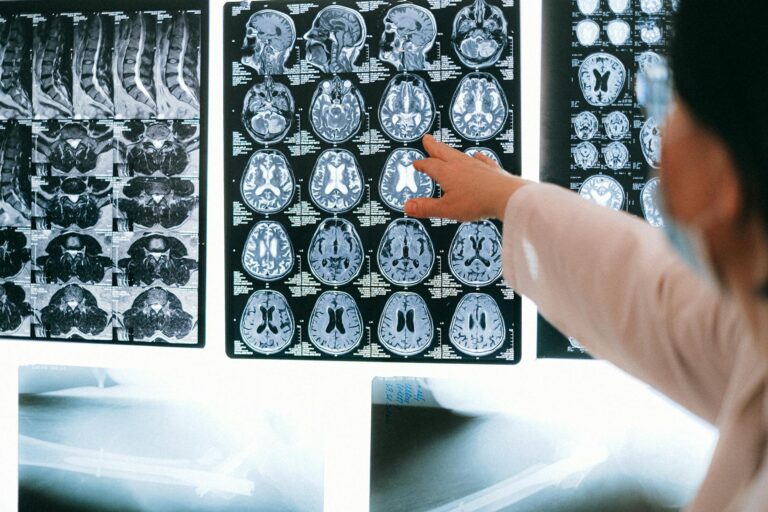
A brain abscess is a serious and potentially life-threatening condition that occurs when a pocket of infection forms in the brain. It can be caused by bacteria, fungi, or parasites and can lead to significant damage to the brain if left untreated. Understanding the stages of brain abscess is important for early detection and proper treatment of this condition. In this article, we will take a closer look at the stages of brain abscess and what they mean for someone who is affected by this condition.
Stage 1: Infection and Inflammation
The first stage of a brain abscess is the initial infection and inflammation. This occurs when the bacteria, fungi, or parasites enter the brain tissue and start to multiply. The body’s immune system responds by sending white blood cells to the area to fight off the infection. This leads to inflammation and swelling in the affected area of the brain.
During this stage, a person may experience symptoms such as fever, headache, and confusion. These symptoms may be mistaken for other illnesses at first, but they can be a sign of a more serious condition like a brain abscess. It is important to seek medical attention if these symptoms persist or worsen.
Stage 2: Formation of Abscess
As the infection progresses, the body’s immune response is not always enough to contain it. This can lead to the formation of a pocket of infected fluid, also known as an abscess. The abscess can vary in size and location within the brain. It can put pressure on the surrounding brain tissue and cause further damage.
During this stage, a person may experience more severe symptoms such as seizures, loss of coordination, and difficulty speaking or understanding language. These symptoms are a result of the growing pressure within the brain due to the abscess. Medical intervention is necessary at this stage to prevent further complications.
Stage 3: Rupture
If left untreated, a brain abscess can eventually rupture, causing the infected fluid to leak into the surrounding brain tissue. This can lead to a rapid deterioration of the person’s condition and can be life-threatening. It is important to seek immediate medical attention if a brain abscess is suspected to prevent it from reaching this stage.
Stage 4: Treatment and Recovery
The final stage of a brain abscess is treatment and recovery. This involves draining the abscess and administering antibiotics or antifungal medication to eliminate the infection. In some cases, surgery may be necessary to remove the abscess and repair any damage to the brain tissue.
After treatment, the person will need time to recover and rehabilitate. This may involve physical therapy, occupational therapy, and speech therapy to help with any neurological deficits caused by the abscess. The length of recovery will depend on the severity of the abscess, but it can take several weeks to months for a person to fully recover.
Preventing Brain Abscess
While brain abscesses are not always preventable, there are steps that can be taken to reduce the risk of developing one. It is important to promptly treat any infections in other parts of the body, as they can spread to the brain if left untreated. Practicing good hygiene, such as washing your hands regularly, can also help prevent infections.
Additionally, people with weakened immune systems, such as those with HIV or undergoing chemotherapy, should take extra precautions to avoid infections that could lead to a brain abscess. It is also important to seek immediate medical attention if any symptoms of a brain abscess are present, as early detection and treatment can greatly improve the outcome.
In conclusion, understanding the stages of a brain abscess is crucial for early detection and treatment of this serious condition. If you or someone you know is experiencing symptoms that may indicate a brain abscess, it is important to seek medical attention immediately. With prompt treatment and proper care, the chances of a full recovery are greatly increased. Prevention is also key in avoiding a brain abscess, so taking steps to maintain good overall health is essential. Remember, your brain is a vital organ and any potential issues should be taken seriously.