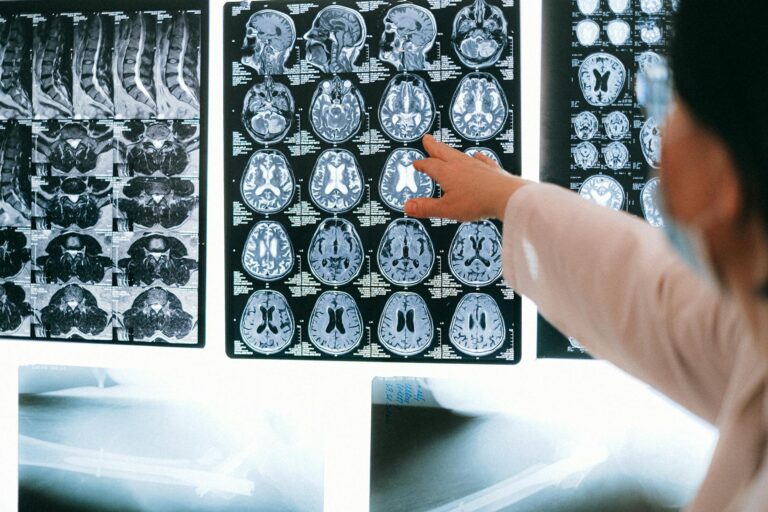
The spinal cord is a vital part of the human body, responsible for transmitting messages between the brain and the rest of the body. It is a long, thin, tube-like structure that extends from the base of the brain down to the lower back. Any abnormalities or damage to the spinal cord can have significant effects on a person’s overall health and well-being.
Spinal cord abnormalities refer to any structural or functional changes in the spinal cord that affect its ability to function properly. These abnormalities can be present at birth or acquired later in life due to injury or disease. They can range from minor issues with no noticeable symptoms to more severe conditions that can greatly impact a person’s quality of life.
There are various types of spinal cord abnormalities, and their causes, symptoms, and treatments vary accordingly. In this article, we will explore the most common spinal cord abnormalities and their effects on the body.
Spina Bifida
Spina bifida is a birth defect in which the spinal cord and its protective covering do not form properly during fetal development. This condition occurs when the neural tube, which eventually develops into the spinal cord and brain, fails to close completely.
The severity of spina bifida can vary greatly, from mild cases with no symptoms to severe cases that can cause paralysis and other neurological complications. In some cases, a sac filled with fluid may form on the baby’s back, which can lead to infections and further complications.
Treatment for spina bifida depends on the severity of the condition. In mild cases, surgery may be required to repair the opening in the spine, while more severe cases may require lifelong medical management.
Spinal Cord Injury
Spinal cord injuries can occur as a result of trauma, such as a car accident or a fall, or due to medical conditions like tumors or infections. These injuries can cause damage to the nerves in the spinal cord, leading to loss of sensation and function below the site of the injury.
The effects of a spinal cord injury can vary greatly, ranging from temporary numbness and weakness to permanent paralysis. The severity of the injury depends on the location and extent of damage to the spinal cord.
Treatment for spinal cord injuries may involve surgery, medication, and rehabilitation to help improve function and manage symptoms. Unfortunately, many spinal cord injuries are irreversible, and the effects can be life-changing for the individual.
Spinal Cord Tumors
Spinal cord tumors are abnormal growths that develop within or near the spinal cord. These growths can be cancerous or non-cancerous and can cause compression or damage to the spinal cord, leading to various neurological symptoms.
The symptoms of spinal cord tumors depend on the location and size of the tumor. They may include pain, numbness, weakness, and loss of bladder or bowel control. If left untreated, these tumors can cause permanent damage to the spinal cord and other vital organs.
Treatment for spinal cord tumors may involve surgery, radiation therapy, and chemotherapy. Early detection and treatment are crucial for improving outcomes and preventing further damage to the spinal cord.
Spinal Cord Infections
Infections of the spinal cord can occur due to bacteria, viruses, or fungi entering the body through open wounds or spreading from other parts of the body. These infections can cause inflammation and damage to the spinal cord, leading to symptoms such as pain, muscle weakness, and loss of sensation.
The most common types of spinal cord infections include meningitis, encephalitis, and abscesses. Treatment for these infections typically involves antibiotics or antiviral medication, depending on the cause. In some cases, surgical drainage may be necessary to remove pus or fluid buildup.
Congenital Spinal Cord Abnormalities
Congenital spinal cord abnormalities are conditions that are present at birth and affect the development of the spinal cord. These abnormalities can range from minor issues with no symptoms to severe conditions that can cause paralysis and other complications.
Examples of congenital spinal cord abnormalities include tethered spinal cord syndrome, where the spinal cord is abnormally attached to the surrounding tissues, and diastematomyelia, where the spinal cord is split into two parts. Treatment for these conditions may involve surgery to correct the abnormality and prevent further damage to the spinal cord.
In conclusion, spinal cord abnormalities can have a significant impact on a person’s life. They can cause a wide range of symptoms, from mild discomfort to permanent paralysis. Early detection and treatment are crucial for improving outcomes and preventing further damage to the spinal cord. If you have any concerns about your spinal cord health, it is important to consult with a medical professional for proper diagnosis and treatment.