Dementia is a broad term used to describe a decline in mental abilities that interfere with daily life. It is often associated with aging, but the truth is that dementia can affect people of all ages, and there are different types of dementia. One type of dementia that is not as well known is selective dementia.
Selective dementia is a form of cognitive decline that affects specific areas of memory and thinking. Unlike other forms of dementia, such as Alzheimer’s disease, which can affect overall cognitive function, selective dementia only targets certain parts of the brain.
The exact cause of selective dementia is not fully understood, but it is believed to be a result of damage to specific regions of the brain. This damage can be caused by a variety of factors, including strokes, head injuries, or other medical conditions.
The symptoms of selective dementia can vary depending on which part of the brain is affected. Some people may experience difficulties with language and communication, while others may have trouble with planning and problem-solving. Memory loss may also be a symptom, but it is typically not as severe as in other forms of dementia.
One of the most common types of selective dementia is frontotemporal dementia (FTD). This type of dementia affects the frontal and temporal lobes of the brain, which are responsible for personality, behavior, and language. People with FTD may exhibit changes in their behavior and personality, becoming more impulsive or apathetic. They may also have difficulty understanding and using language.
Another type of selective dementia is vascular dementia, which is caused by damage to the blood vessels in the brain. This damage can be a result of strokes or other conditions that affect blood flow to the brain. Symptoms of vascular dementia often include difficulties with organization, problem-solving, and decision-making.
It is important to note that selective dementia can also occur in conjunction with other forms of dementia. For example, a person with Alzheimer’s disease may also have selective dementia affecting certain areas of their brain. This can make diagnosis and treatment more challenging, as symptoms may overlap.
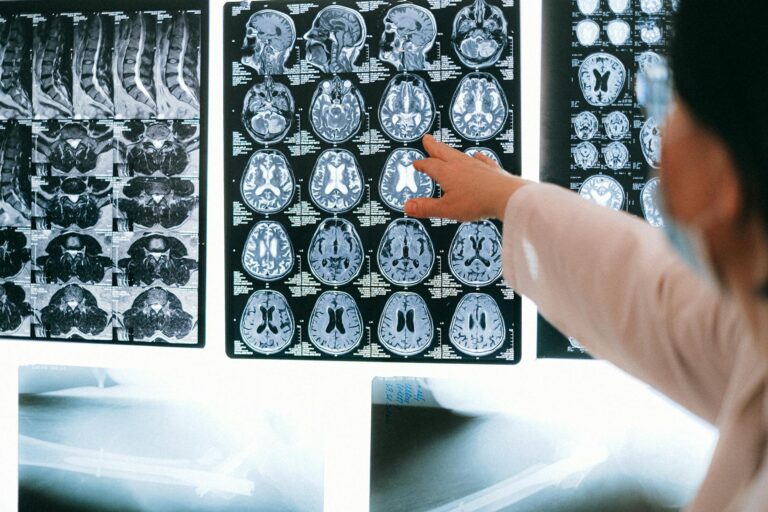
Diagnosing selective dementia can be a complex process. A thorough medical evaluation, including a physical exam and cognitive tests, is often necessary to determine the type and severity of the dementia. Brain imaging, such as MRI or CT scans, may also be used to identify any areas of damage in the brain.
Treatment for selective dementia focuses on managing symptoms and maintaining quality of life. This may involve a combination of medication, therapy, and lifestyle changes. In some cases, surgery may be recommended to address underlying conditions that are causing the dementia.
Caring for someone with selective dementia can also be challenging, as their needs and abilities may change over time. It is important for caregivers to educate themselves about the specific type of dementia their loved one has and to seek support from healthcare professionals and support groups.
In conclusion, selective dementia is a form of cognitive decline that affects specific areas of memory and thinking. It can be caused by a variety of factors and can present with different symptoms depending on which part of the brain is affected. While there is no cure for selective dementia, early diagnosis and management of symptoms can improve quality of life for those living with the condition. With proper support and care, individuals with selective dementia can continue to lead fulfilling lives.