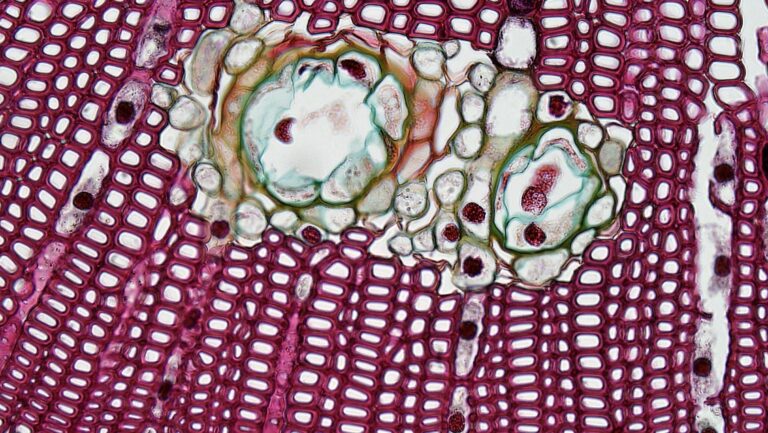
Chronic microvascular disease brain, also known as small vessel disease, is a condition that affects the small blood vessels in the brain. These vessels play a crucial role in delivering oxygen and nutrients to different parts of the brain, and any damage to them can disrupt this process and lead to various health problems.
In simpler terms, chronic microvascular disease brain is a type of cardiovascular condition that affects the brain. It is a common cause of strokes, dementia, and other neurological disorders, and it is estimated that over 25% of all strokes are caused by this condition.
What causes chronic microvascular disease brain?
The primary cause of chronic microvascular disease brain is atherosclerosis, which is the buildup of plaque in the arteries. This buildup can narrow the blood vessels, making it difficult for blood to flow through them. Over time, this can lead to damage and dysfunction of the small blood vessels in the brain.
Other risk factors for chronic microvascular disease brain include high blood pressure, diabetes, smoking, obesity, and high levels of cholesterol. These conditions can also contribute to the development of atherosclerosis and increase the risk of developing this disease.
Symptoms of chronic microvascular disease brain
The symptoms of chronic microvascular disease brain may vary depending on the severity and location of the affected blood vessels. Some people may have no noticeable symptoms, while others may experience difficulty with thinking, memory, and movement.
The most common symptoms of chronic microvascular disease brain include:
– Difficulty with thinking and memory: This can range from mild forgetfulness to severe dementia.
– Trouble with walking and balance: As the disease progresses, it can affect the brain’s ability to control movement and coordination.
– Headaches: Chronic microvascular disease brain can cause frequent headaches, especially in people who have hypertension.
– Vision problems: When the small blood vessels in the visual cortex are affected, it can lead to vision disturbances.
– Mood changes: Some people may experience mood swings, irritability, or depression due to the changes in their brain caused by this disease.
– Other neurological symptoms: In rare cases, chronic microvascular disease brain can cause seizures, weakness in the limbs, or difficulty speaking.
Diagnosis and treatment
Diagnosis of chronic microvascular disease brain usually involves a combination of physical exams, medical history, and imaging tests. Doctors may use MRI or CT scans to assess the blood vessels in the brain and look for signs of damage or blockages.
Unfortunately, there is currently no cure for chronic microvascular disease brain. However, treatment focuses on managing and controlling the risk factors that contribute to the development of this condition. This includes:
– Medications: Doctors may prescribe medications to lower blood pressure, control cholesterol levels, and manage diabetes.
– Lifestyle changes: Adopting a healthy lifestyle can significantly reduce the risk of developing chronic microvascular disease brain. This includes quitting smoking, regular exercise, and following a well-balanced diet.
– Surgery: In some cases, surgery may be recommended to remove blockages in the blood vessels or repair damaged ones.
Preventing chronic microvascular disease brain
While there is no guaranteed way to prevent chronic microvascular disease brain, there are steps you can take to reduce your risk:
– Keep your blood pressure under control: High blood pressure is a significant risk factor for this condition. Make sure to monitor your blood pressure regularly and take any prescribed medications as directed.
– Maintain a healthy weight: Obesity can increase your risk of developing chronic microvascular disease brain, so it’s essential to maintain a healthy weight through diet and exercise.
– Don’t smoke: Smoking can damage your blood vessels and increase your risk of developing various cardiovascular diseases, including chronic microvascular disease brain.
– Control cholesterol levels: High cholesterol levels can lead to atherosclerosis and increase the risk of developing this condition. Speak to your doctor about ways to keep your cholesterol levels in check.
– Eat a healthy diet: A well-balanced diet that is low in saturated fat, cholesterol, and salt can help reduce the risk of developing chronic microvascular disease brain.
In conclusion, chronic microvascular disease brain is a serious condition that can lead to significant health problems. It is important to understand the risk factors and take steps to prevent and manage this condition. By adopting a healthy lifestyle and working closely with your doctor, you can reduce your risk and improve your overall health and well-being.