Photographs and Memory Recall
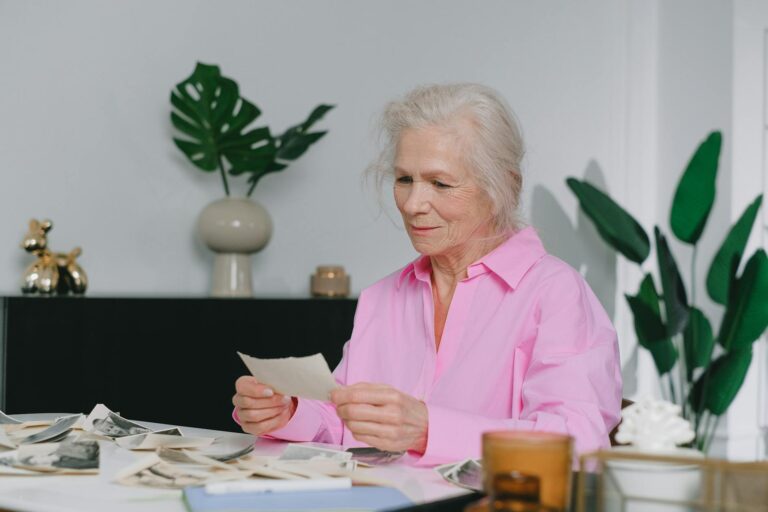
Photographs capture moments in time, but they do more than just preserve images. They shape how we remember events by triggering and sometimes changing our personal recollections. When we look at a photo from a family vacation or a special day, it often brings back details we thought we had forgotten. This happens because pictures act as cues that activate brain networks linked to memories.
Scientists have found that viewing images paired with words helps people recall associations better, especially after sleep. In one study, university students learned to connect verbs with pictures of objects like cars or guitars, or scenes like houses. They tested their recall before and after a night of sleep. Those who spent more time in deep slow wave sleep showed stronger memory retention. Their brain activity during successful recall shifted from the back of the brain to areas near the temples, suggesting sleep reorganizes how memories are stored and retrieved. This shows photographs can strengthen recall when combined with rest.
Yet memories are not fixed snapshots like photos themselves. Each time we recall an event while looking at a picture, our brain rebuilds it. This rebuilding mixes original details with current thoughts or feelings, which can lead to small changes or distortions over time. For example, a photo might make us remember a sunny day as hotter than it was, blending the image with imagination. Researchers reviewing hundreds of studies explain this as re-encoding, where memories update every recall to stay relevant.
Photographs can even create false memories. AI-edited images or videos trick the brain into recalling events that never happened. Seeing a altered photo of yourself in a place you do not remember visiting might plant a vivid but fake recollection. Older adults may be more prone to these memory illusions, but adding contextual details from real photos helps reduce errors in recall.
Familiar photos, like those of famous faces, test recognition memory in unique ways. People with certain brain differences struggle more with recalling unfamiliar images over time, but photos provide strong visual hooks that aid most of us. In short, photographs boost memory recall by serving as powerful triggers, though they also highlight how flexible and reconstructive our memories truly are.
Sources
https://www.psypost.org/deep-sleep-reorganizes-brain-networks-used-for-memory-recall/
https://www.pnas.org/doi/10.1073/pnas.1409878111
https://thedebrief.org/your-brain-rewrites-your-memories-each-time-you-recall-them-new-study-finds/
https://dl.acm.org/doi/10.1145/3706598.3713697
https://pmc.ncbi.nlm.nih.gov/articles/PMC12762615/