Panic Attacks in Older Adults Explained
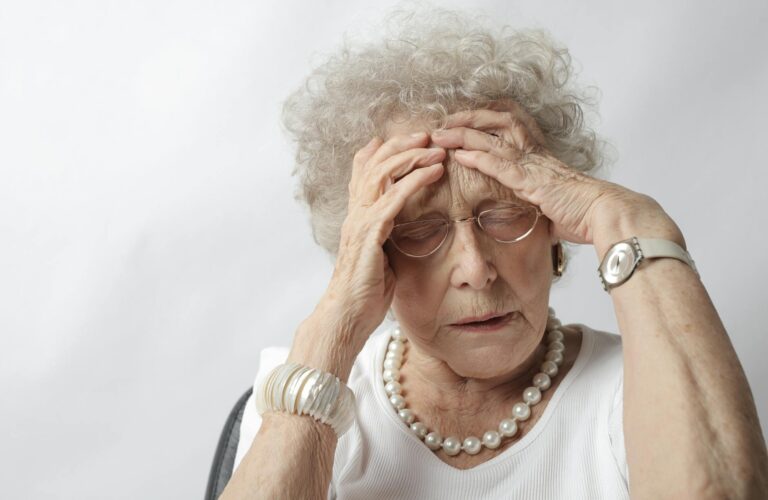
Panic attacks hit older adults suddenly with strong feelings of fear and worry. These short bursts of intense alarm can feel scary but usually pass in a few minutes. In older people, they often mix with everyday health worries or life changes.
What happens during a panic attack? Your body reacts like there is real danger. The brain releases adrenaline and stress hormones fast. This causes physical signs like a racing heart, sweating, shaking, trouble breathing, chest pain, nausea, dizziness, hot or cold flashes, and tingling in hands or feet. Older adults might also feel tired, have muscle tension, or sleep problems because of these attacks. They may worry a lot about their health or avoid places like crowded stores or elevators.
Why do panic attacks happen more in older adults? Several reasons play a part. First, the brain changes with age. The amygdala, the part that handles fear, gets more active, making emotions stronger. Hormones like estrogen or testosterone drop, which affects mood. Genetics matter too, if anxiety runs in the family. Health problems such as heart issues, thyroid trouble, chronic pain, or trouble moving around can trigger attacks. Past stress, loss of loved ones, retirement, or feeling alone add to it. Even caffeine or some medicines can set one off. Crowded spots, driving, or hot weather might spark them.
These attacks differ in older adults from younger people. They often link to body complaints, like thinking chest pain means a heart attack. Worry about getting sicker or losing control feels stronger. Some avoid doctors or social events, which makes things worse.
How can older adults handle panic attacks? Breathing slow and deep helps calm the body right away. Therapy talks through fears and changes bad thoughts. Medicines balance brain chemicals if needed. Simple habits like walking, eating well, and sleeping enough build strength. Talking to family or friends cuts down on feeling alone. Seeing a doctor early spots other health links and starts help fast.
Sources
https://www.therapyroute.com/article/panic-attacks-by-therapyroute2
https://int.livhospital.com/anxiety-in-old-age/
https://homebasedtalkingtherapy.com/panic/
https://apollosage.in/blogs/anxiety-and-depression-in-older-adults-a-serious-issue
https://www.lifelinewalkinclinic.com/understanding-anxiety-signs-causes-when-to-seek-walk-in-mental-health-care
https://coachformind.com/panic-attack-symptoms-causes-and-treatment.php
https://pubmed.ncbi.nlm.nih.gov/41435016/?fc=None&ff=20251224015715&v=2.18.0.post22+67771e2
https://int.livhospital.com/elderly-anxiety-disorders-types-and-treatments/
https://www.som360.org/en/blog/anxiety-attacks-causes-symptoms-and-how-deal-them