What is spastic diplegia cerebral palsy

Spastic diplegia cerebral palsy is a form of cerebral palsy characterized primarily by muscle stiffness (spasticity) that affects the legs more than the arms. It is a neurological disorder caused by damage to the brain areas responsible for controlling muscle…

What is spastic quadriplegia cerebral palsy

Spastic quadriplegia cerebral palsy is a severe form of cerebral palsy characterized by **spasticity (muscle stiffness and tightness) affecting all four limbs—both arms and legs—as well as the trunk and neck muscles**. This condition results from damage to the brain…

What does an EEG show in cerebral palsy patients

Electroencephalography (EEG) in cerebral palsy (CP) patients primarily reveals abnormalities related to the underlying brain injury and associated neurological conditions such as epilepsy. EEG is a diagnostic tool that records electrical activity of the brain and is used to detect…

How do doctors confirm cerebral palsy with imaging

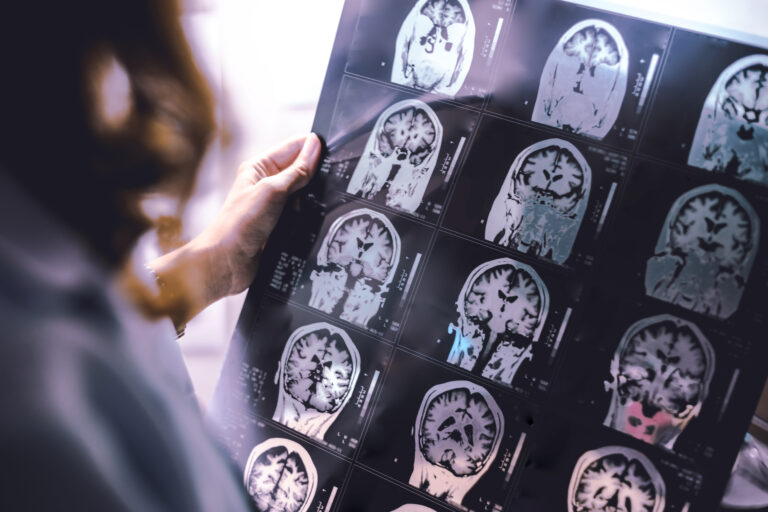
Doctors confirm cerebral palsy (CP) with imaging primarily through **magnetic resonance imaging (MRI)** and sometimes **computed tomography (CT) scans**, which help identify brain abnormalities or damage that underlie the condition. MRI is preferred because it provides detailed images of brain…