Do children with cerebral palsy have seizures

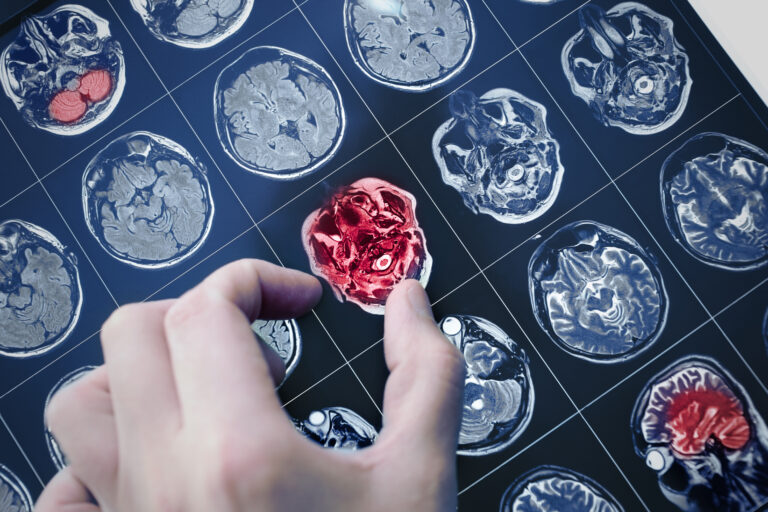
Children with cerebral palsy (CP) often experience seizures, with epilepsy being a common comorbidity. Studies indicate that approximately **25% to 45% of children with CP also have epilepsy**, meaning seizures are a frequent medical concern in this population[1][3]. Cerebral palsy…

What is hypertonia in cerebral palsy

**Hypertonia in Cerebral Palsy: A Detailed Explanation in Simple Terms** Hypertonia is a medical term that describes a condition where muscles are abnormally stiff or tight. This stiffness happens because the muscles have too much tone, meaning they are more…

What is hypotonia in cerebral palsy

Hypotonia in cerebral palsy refers to **reduced muscle tone**, meaning the muscles feel unusually soft, loose, or “floppy.” This condition causes diminished resistance to passive movement, making the muscles less firm than normal and often leading to difficulties with posture,…

How does cerebral palsy affect muscle tone

Cerebral palsy (CP) affects muscle tone primarily by disrupting the brain’s control over muscle activity, leading to abnormal muscle tone patterns such as hypertonia (increased muscle tone) or hypotonia (decreased muscle tone). This disruption stems from brain damage, often in…

What does mixed type cerebral palsy mean

Mixed type cerebral palsy refers to a form of cerebral palsy (CP) where an individual exhibits symptoms from **two or more types of CP**, most commonly a combination of **spastic** and **dyskinetic** types. This means the brain damage affects multiple…

What are the different types of cerebral palsy

Cerebral palsy (CP) is a complex neurological condition caused by damage or abnormal development in the brain, typically occurring before, during, or shortly after birth. This damage affects muscle control, movement, and coordination, but the way it manifests varies widely…