Helping dementia patients with seasonal transitions

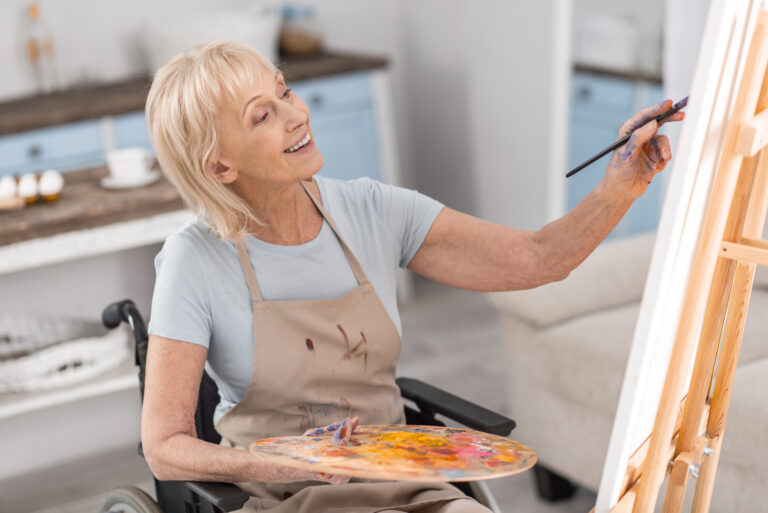
Helping someone with dementia through seasonal transitions requires patience, understanding, and thoughtful adjustments to their environment and routine. Changes in seasons can bring shifts in daylight, temperature, and activities, which may affect a person with dementia more deeply than others.…

Designing a sensory bathroom

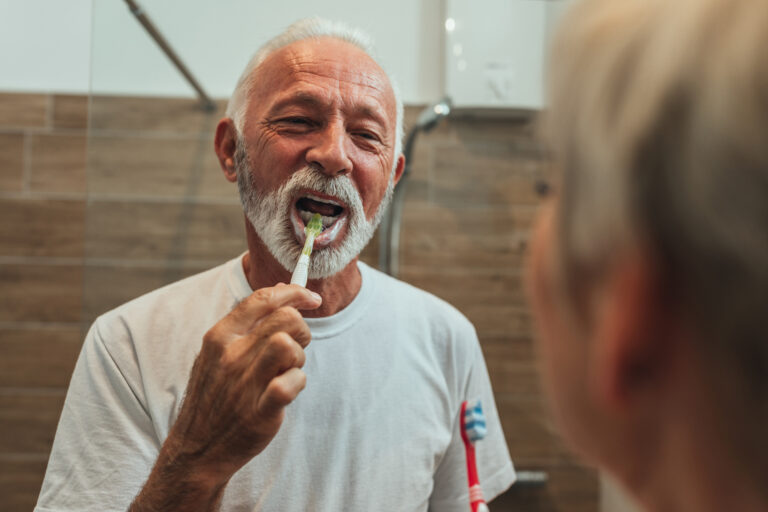
Designing a sensory bathroom is about creating a space that delights all your senses, turning everyday routines into calming, restorative experiences. It’s not just about how the bathroom looks but also how it feels, sounds, smells, and even responds to…

Introducing pets to memory care environments

Introducing pets into memory care environments can bring warmth, comfort, and meaningful engagement to residents living with memory loss or dementia. Animals, especially therapy dogs, offer a unique form of companionship that can soothe anxiety, spark joy, and encourage social…

Tips for calm morning routines

Starting your day with calm and ease can make a big difference in how the rest of it unfolds. Here are some simple tips to help you create a peaceful morning routine that sets a positive tone. Begin by waking…

How to safely rearrange a dementia patient’s room

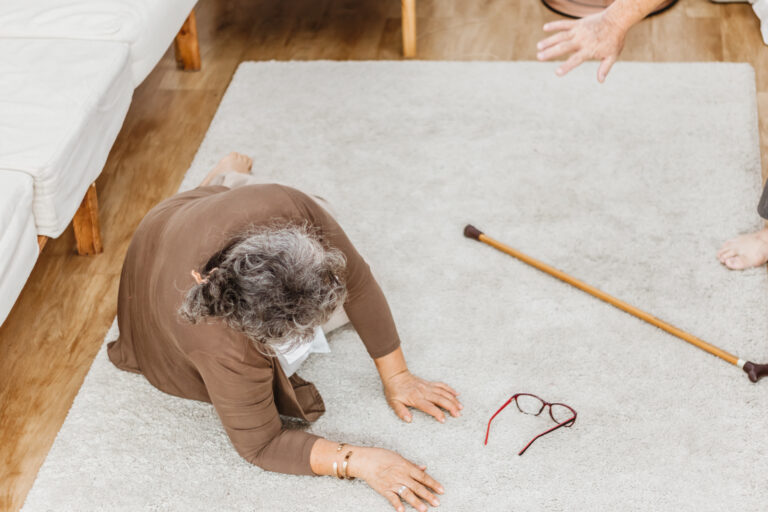
Rearranging a dementia patient’s room requires careful attention to safety, comfort, and familiarity to support their well-being. The goal is to create a space that reduces confusion and agitation while promoting independence and calm. Start by **clearing clutter and removing…

Creating memory-triggering shadow boxes

Creating a memory-triggering shadow box is a wonderful way to bring your cherished moments out of storage and turn them into a beautiful display. Instead of tucking away keepsakes in drawers or boxes, you can showcase them in a shadow…

Using nature videos to calm agitation

Using nature videos to calm agitation is a simple yet effective way to help people feel more relaxed and peaceful. When someone is agitated—whether due to stress, anxiety, or conditions like dementia—watching scenes of nature such as forests, oceans, or…

Dementia-safe kitchen design

Designing a kitchen that is safe and comfortable for someone with dementia requires thoughtful adjustments to reduce confusion, prevent accidents, and promote independence. The goal is to create an environment where the person can feel secure while still being able…

How to use a memory quilt

A memory quilt is a special kind of quilt made from meaningful fabrics like old t-shirts, baby clothes, or other textiles that hold sentimental value. Using a memory quilt is about more than just warmth; it’s a way to keep…

Using plants in care environments

Using plants in care environments offers a simple yet powerful way to improve the well-being of those who live or work there. Plants naturally clean the air by absorbing harmful pollutants and releasing fresh oxygen, which helps create a healthier…