The fine line between dream and delusion in dementia

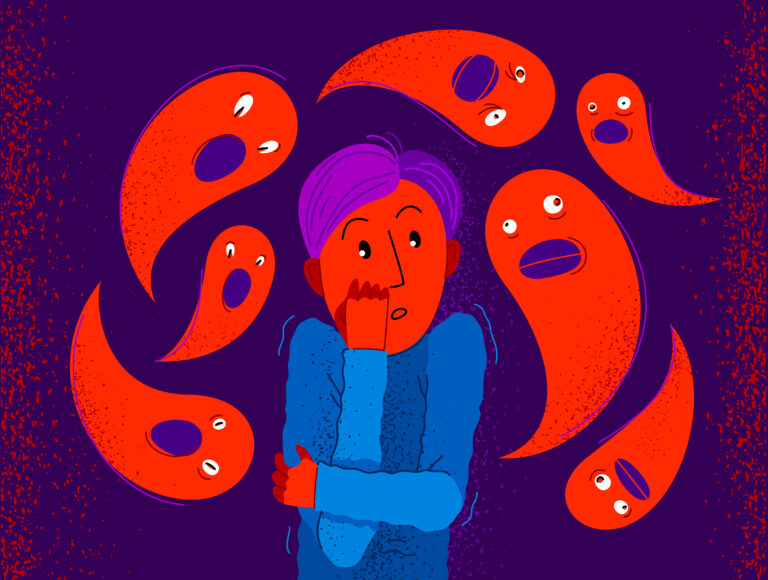
The line between dream and delusion in dementia, especially in conditions like Lewy Body Dementia (LBD), is often very thin and blurred. People living with dementia may experience vivid hallucinations or false beliefs that feel as real to them as…


How Mounjaro differs from traditional Alzheimer’s drugs

Mounjaro is quite different from traditional Alzheimer’s drugs because it was originally developed to treat diabetes and obesity, not Alzheimer’s disease itself. It belongs to a class of medications called GLP-1 receptor agonists, which help control blood sugar and promote…

What to know about vascular dementia and breathing issues

Vascular dementia is a type of dementia caused by problems with blood flow to the brain. When blood vessels in the brain are damaged—often due to strokes, high blood pressure, or diabetes—the brain cells don’t get enough oxygen and nutrients.…

Can better sleep hygiene slow cognitive decline

Better sleep hygiene can help slow cognitive decline by improving the quality and continuity of sleep, which is essential for brain health. Good sleep habits support memory consolidation, reduce brain inflammation, and enhance the brain’s ability to clear harmful toxins…

How hormone shifts affect mental sharpness

Hormone shifts can have a big impact on how sharp and clear your mind feels. When hormones like estrogen, progesterone, cortisol, and thyroid hormones change in your body, they influence brain chemicals that control memory, focus, mood, and motivation. Estrogen…

What hearing loss has to do with dementia

Hearing loss and dementia are closely connected in ways that affect how the brain works over time. When someone’s hearing starts to fade, even just a little, it doesn’t only make it harder to catch sounds—it also changes how the…

Why short-term memory fades before long-term memory

Short-term memory fades before long-term memory because it is designed to hold information only briefly and has a limited capacity, while long-term memory stores information more permanently and with much greater capacity. Short-term memory typically lasts about 20 to 30…

The impact of stress on the aging mind

Stress has a powerful effect on the aging mind, influencing how our brain functions and ages over time. When stress becomes chronic, it leads to elevated levels of cortisol, a hormone that, in excess, can damage key brain areas like…

How vision changes can trick the brain

Our brain is a master at interpreting what our eyes see, but sometimes changes in vision can trick the brain into seeing things differently than they really are. This happens because vision is not just about the eyes capturing images;…

What does memory testing really measure

Memory testing primarily measures how well your brain can store, retain, and recall information. It evaluates different aspects of memory function such as the ability to remember words, recognize objects or faces, follow instructions, and solve simple problems. These tests…