Why sound sensitivity gets worse in crowded places

Sound sensitivity often worsens in crowded places because these environments present a complex mix of many overlapping sounds, which can overwhelm the brain’s ability to process auditory information comfortably. When there are multiple sources of noise—people talking, footsteps, background music,…
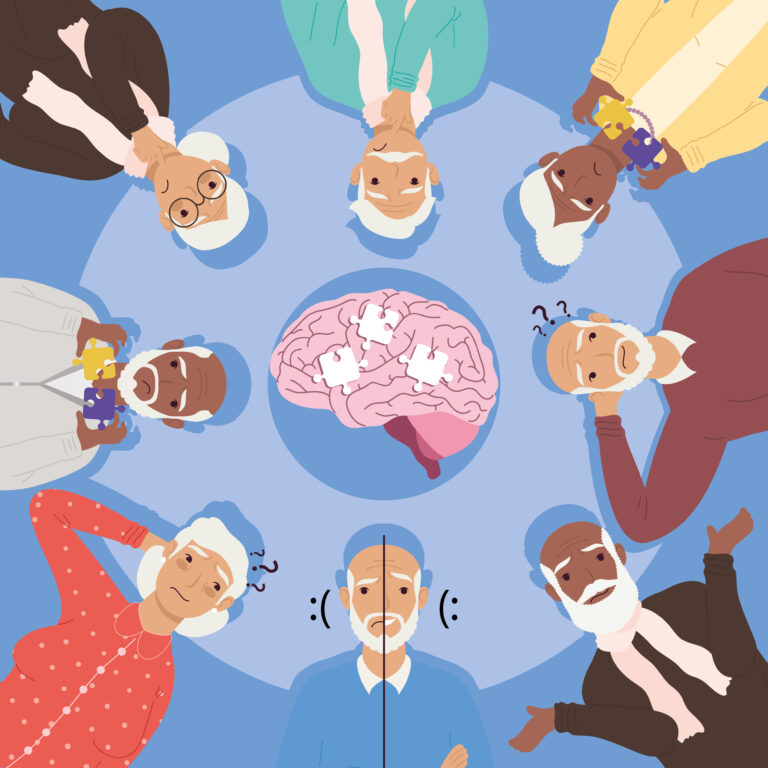

How hallucinations reveal the brain’s coping mechanisms

Hallucinations are fascinating and complex phenomena that reveal much about how the brain copes with unusual or challenging situations. At their core, hallucinations occur when the brain creates perceptions without any external sensory input—seeing, hearing, feeling, or even smelling things…

When the body forgets how to sleep

brain cells in dementia

When the body forgets how to sleep, it means the natural, automatic process of falling asleep and staying asleep becomes disrupted or lost. Sleep, which is usually a smooth, unconscious transition, turns into a struggle. People may lie awake for…

What we know now about brain plasticity and aging

Brain plasticity, also known as neuroplasticity, refers to the brain’s remarkable ability to change and adapt throughout life by reorganizing its structure, function, and connections. This adaptability is not limited to childhood but continues well into adulthood and aging. Understanding…

Why cognitive tests feel harder during menopause

Cognitive tests often feel harder during menopause because the hormonal changes that occur in this phase significantly affect brain function. The main hormone involved is estrogen, which plays a crucial role in maintaining cognitive abilities such as memory, concentration, and…

The overlap between depression and early cognitive decline

The overlap between **depression and early cognitive decline** is a complex and important area of study because these two conditions often coexist, influence each other, and share symptoms that can make diagnosis and treatment challenging. Understanding this overlap helps in…

Why dreams become distorted in Alzheimer’s progression

Dreams become distorted in Alzheimer’s progression primarily because the disease disrupts the brain’s normal sleep architecture and impairs memory processing systems that are essential for coherent dreaming. Alzheimer’s disease causes changes in brain regions responsible for both sleep regulation and…

Can new treatments slow the shrinkage of memory regions

The shrinkage of memory-related brain regions, such as the hippocampus and entorhinal cortex, is a hallmark of aging and neurodegenerative diseases like Alzheimer’s. New treatments are increasingly focused on slowing or even reversing this shrinkage to preserve memory and cognitive…

Why sudden agitation happens at dusk in memory care

Sudden agitation at dusk in memory care, often called “sundowning,” happens because of a complex mix of biological, psychological, and environmental factors that uniquely affect people with memory impairments such as dementia. This agitation is marked by increased confusion, restlessness,…

How to explain hallucinations to a child in the family

Explaining hallucinations to a child in the family requires gentle, clear, and reassuring communication that matches their level of understanding. Start by telling the child that sometimes people’s brains can play tricks on them, making them see or hear things…