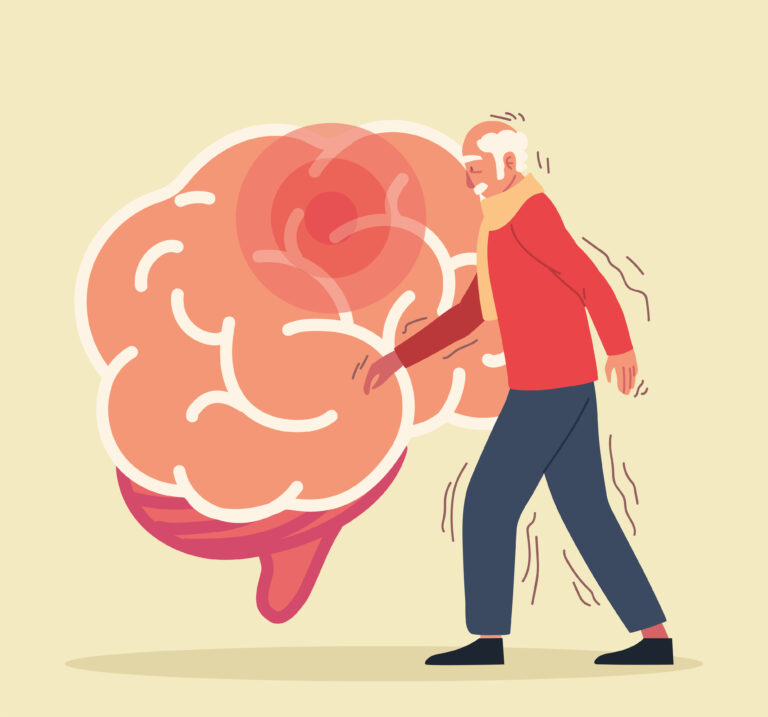
Why Alzheimer’s makes some patients overly apologetic

Alzheimer’s disease affects the brain in complex ways that influence not only memory and cognition but also emotions and social behavior. One striking emotional change seen in some Alzheimer’s patients is an increased tendency to be overly apologetic. This behavior…


What the brain is doing when it confuses real and imagined voices

When the brain confuses real and imagined voices, it is engaging in a complex interplay between sensory perception, memory, and higher-level cognitive processes that blur the boundaries between external reality and internal experience. Essentially, the brain’s auditory system processes sounds…

Why some seniors react badly to patterns or stripes

Some seniors react badly to patterns or stripes primarily due to changes in their visual processing and neurological function that occur with aging. As people grow older, their eyes and brain may not interpret complex visual stimuli like stripes or…

How caregivers can ease fear during visual hallucinations

Caregivers play a crucial role in easing fear during visual hallucinations, especially when caring for individuals with dementia or other cognitive impairments. Visual hallucinations can be deeply unsettling for the person experiencing them, often causing confusion, fear, or panic. The…

Why memory patients often misinterpret kindness as threat

Memory patients, especially those with conditions like dementia or Alzheimer’s disease, often misinterpret kindness as a threat due to complex changes in how their brains process information and emotions. This phenomenon can be deeply confusing and distressing both for the…

How changes in vocabulary signal deeper memory loss

Changes in vocabulary often serve as an early and revealing sign of deeper memory loss, reflecting underlying cognitive decline that affects how the brain processes and retrieves language. When someone begins to forget simple words, substitute incorrect terms, or struggle…

Why confusion sets in when schedules are disrupted

Confusion often arises when schedules are disrupted because our brains and bodies rely heavily on routines to function smoothly. When a schedule is suddenly changed or thrown off, it interrupts the familiar patterns that help us organize thoughts, manage time,…

What scent-triggered memories tell us about the brain

Scent-triggered memories reveal a fascinating window into how the brain processes emotions and stores experiences. When you catch a whiff of a familiar smell—like fresh rain, a certain flower, or a childhood meal—it can instantly transport you back to a…

Why dreams become repetitive in people with Alzheimer’s

Dreams become repetitive in people with Alzheimer’s disease primarily because of the way the illness disrupts brain function, especially in areas responsible for memory, emotion, and sleep regulation. Alzheimer’s disease causes progressive damage to the brain’s neurons, particularly in regions…

How breathing changes during high cognitive stress

When the brain faces **high cognitive stress**, the way we breathe changes significantly, often without us realizing it. Instead of the calm, slow, and deep breaths we take when relaxed, stress triggers a shift to quicker, shallower breathing patterns. This…