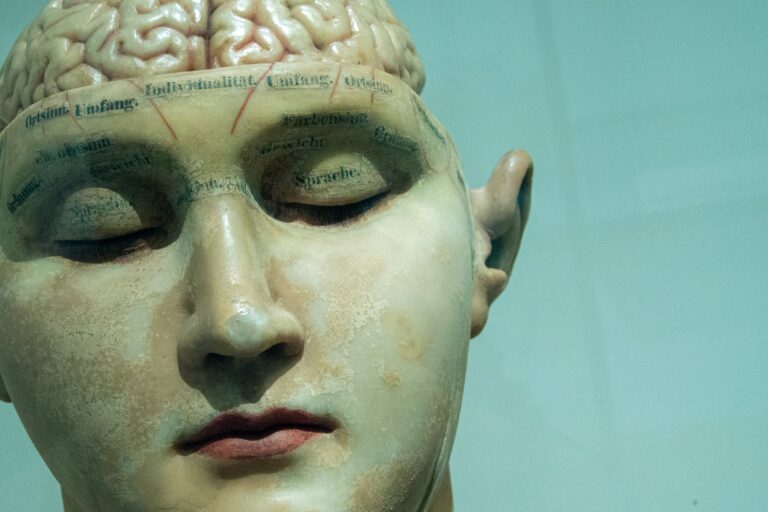
Why Alzheimer’s patients may suddenly fear water

Alzheimer’s patients may suddenly develop a fear of water due to a combination of cognitive, sensory, and physiological changes caused by the disease. This fear can emerge even if they previously had no issues with water, reflecting how Alzheimer’s affects…


What changes in reading habits signal early brain decline

Changes in reading habits can be subtle but important early signals of brain decline. When the brain begins to deteriorate, especially in conditions like dementia or Alzheimer’s disease, the way a person reads and processes written information often shifts before…

Why touch becomes more important than language in memory care

Touch becomes more important than language in memory care because as dementia progresses, the ability to communicate verbally diminishes significantly, making non-verbal forms of connection—especially physical touch—crucial for emotional comfort, reassurance, and engagement. When words fail, touch serves as a…

Why random objects gain emotional importance in late-stage dementia

In late-stage dementia, random objects often take on profound emotional importance because they serve as anchors to identity, comfort, and memory when cognitive abilities are severely diminished. As the brain’s capacity to process new information and recall recent events declines,…

How hormone levels affect logic and emotional memory

Hormone levels have a profound impact on both logic and emotional memory by influencing brain chemistry, structure, and function. Hormones like estrogen, progesterone, testosterone, cortisol, and oxytocin interact with neurotransmitters and brain regions responsible for reasoning, decision-making, and emotional processing,…

Why some Alzheimer’s patients think they’re young again

Some Alzheimer’s patients believe they are young again because the disease affects their brain’s memory and perception, causing them to relive earlier periods of their lives as if they were happening in the present. This phenomenon occurs because Alzheimer’s progressively…

What brain researchers have learned from dream mapping in seniors

Brain researchers have made remarkable progress in understanding the nature of dreams in seniors by using dream mapping techniques, which involve tracking and analyzing brain activity during sleep to decode the patterns and content of dreams. This research has opened…

Why people with dementia sometimes laugh or cry unpredictably

People with dementia sometimes laugh or cry unpredictably because the disease affects the brain areas responsible for controlling emotions and interpreting social cues. This leads to changes in how they experience and express feelings, often causing sudden, unexpected emotional reactions…

How small routines provide stability to people with brain changes

Small routines provide crucial stability to people experiencing brain changes by creating a predictable and manageable structure in their daily lives. When the brain undergoes changes—whether due to aging, injury, neurological conditions like dementia, or other cognitive shifts—uncertainty and confusion…