How estrogen supports language clarity in aging brains

Estrogen plays a crucial role in supporting **language clarity** and overall cognitive function in aging brains by influencing brain chemistry, structure, and neural communication. As people age, especially women undergoing menopause, estrogen levels decline sharply, which can lead to difficulties…

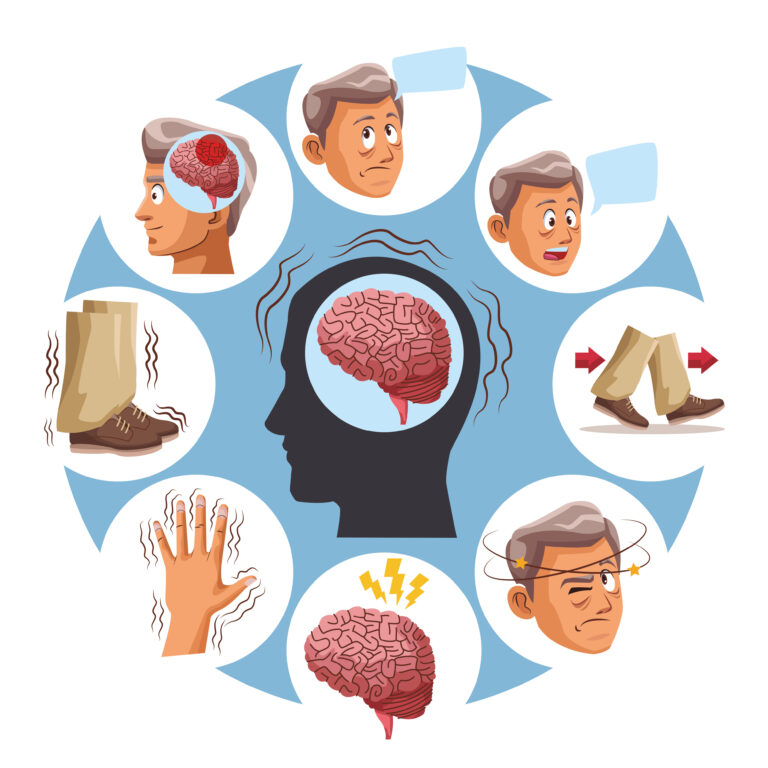
Why dreams from youth return in old age

Dreams from youth often return in old age because they are deeply tied to formative experiences, unresolved emotions, and core aspects of identity that continue to resonate throughout life. As people grow older, their unconscious mind tends to revisit these…

What makes familiar furniture feel foreign

What makes familiar furniture feel foreign is a complex interplay of perception, context, and emotional association. Even the most ordinary chair or table can suddenly seem strange when something about the environment or our mindset shifts. This sensation arises not…

Why confusion spikes in new places

Confusion tends to spike in new places because unfamiliar environments challenge our brain’s usual ways of understanding and predicting the world. When you enter a new place, your mind no longer has the familiar cues and patterns it relies on…

How the brain decodes dreams during cognitive shift

The brain decodes dreams during cognitive shifts by actively interpreting and making sense of fragmented, often chaotic neural signals generated during sleep, especially in rapid eye movement (REM) stages. Dreams are not just random images but a complex narrative constructed…

Why some patients fixate on a specific word or phrase

Some patients fixate on a specific word or phrase due to a variety of psychological, neurological, and developmental reasons, often linked to how their brain processes language, emotions, or sensory input. This fixation can serve different purposes, such as a…

How hormone dips contribute to sensory confusion

Hormone dips, especially sudden drops in key hormones like estrogen and progesterone, play a significant role in causing sensory confusion. Sensory confusion refers to a state where the brain struggles to accurately process and interpret sensory information from the environment,…

What nighttime behavior reveals about brain changes

Nighttime behavior—how we sleep, how often we wake up, and even how light exposure affects us after dark—reveals a great deal about changes happening in the brain. These behaviors are not just passive reflections of rest but active indicators of…

Why cognitive fatigue appears earlier in the day

Cognitive fatigue appearing earlier in the day is primarily linked to disruptions in the body’s internal biological clock, known as the circadian rhythm, combined with factors like poor sleep quality, lifestyle habits, and mental stress. The circadian rhythm regulates when…

How scent therapy supports emotional grounding in seniors

Scent therapy plays a powerful role in supporting emotional grounding for seniors by engaging their sense of smell, which is closely linked to the brain’s emotional and memory centers. For older adults, especially those experiencing cognitive decline or dementia, familiar…