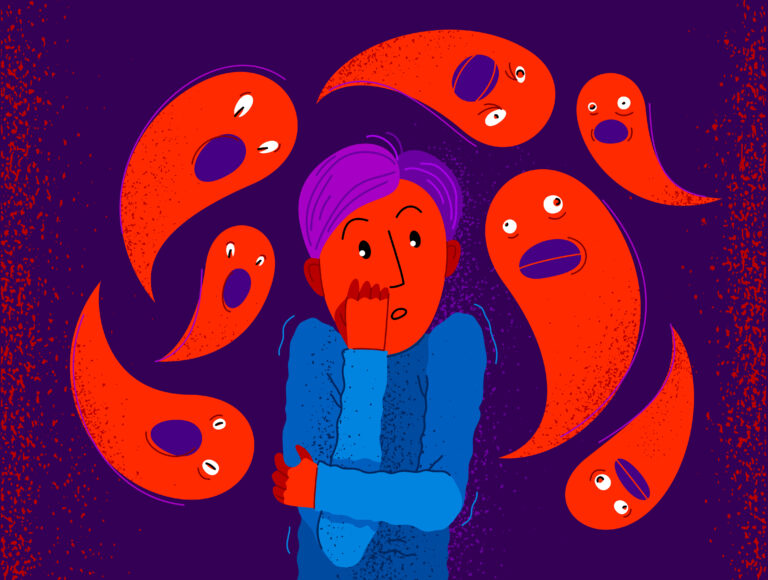
Why visual hallucinations are more common in older adults

Visual hallucinations are notably more common in older adults due to a combination of age-related changes in the eyes, brain, and neurological health. As people age, several factors converge that increase the likelihood of experiencing these hallucinations, which are perceptions…

How estrogen supports memory circuit connectivity

Estrogen plays a fundamental role in supporting memory circuit connectivity by influencing how brain cells communicate, grow, and maintain their networks. It acts as a powerful modulator of brain function, particularly in regions critical for memory such as the hippocampus,…

What to expect when sound becomes overwhelming

When sound becomes overwhelming, it can trigger a range of physical, emotional, and cognitive reactions that vary widely depending on the individual and the context. Many people experience this as sensory overload, where everyday noises suddenly feel too intense, intrusive,…

Why dreams feel more cinematic with brain aging

Dreams often feel more cinematic as the brain ages because of changes in sleep patterns, memory processing, and emotional regulation that occur naturally over time. As we grow older, the structure and function of the brain evolve, influencing how dreams…

How dementia impacts visual-spatial awareness

Dementia profoundly affects visual-spatial awareness, which is the brain’s ability to perceive and understand the spatial relationships between objects and oneself in an environment. This impairment can make it difficult for individuals to navigate spaces, judge distances, recognize objects or…

Why familiar environments can still feel strange

Familiar environments can sometimes feel strange because our brains and emotions are deeply tied to the context, routines, and meanings we associate with those places. Even when a place is physically unchanged, subtle shifts in our perception, emotional state, or…

What to say when someone forgets their grandchildren

When someone forgets their grandchildren, it can be a delicate and emotional situation for everyone involved. What you say in that moment matters a lot—it should be gentle, understanding, and supportive rather than confrontational or hurtful. First, recognize that forgetting…

How speech rhythm changes with cognitive decline

Speech rhythm—the pattern of timing, stress, and intonation in spoken language—is closely tied to how our brains process and produce language. As cognitive abilities decline, especially with aging or neurodegenerative conditions, this rhythm undergoes noticeable changes. These changes can reveal…

Why Alzheimer’s patients lose interest in once-loved hobbies

Alzheimer’s patients often lose interest in hobbies they once loved because the disease fundamentally alters how their brain works, affecting memory, motivation, and emotional connection. The progressive damage to specific brain areas disrupts the ability to engage with activities that…

What emotional withdrawal says about brain health

Emotional withdrawal often signals that the brain is undergoing significant stress or imbalance, reflecting underlying challenges in brain health. When someone emotionally withdraws—pulling back from social interactions, feeling numb, or becoming detached—it can indicate disruptions in how the brain regulates…