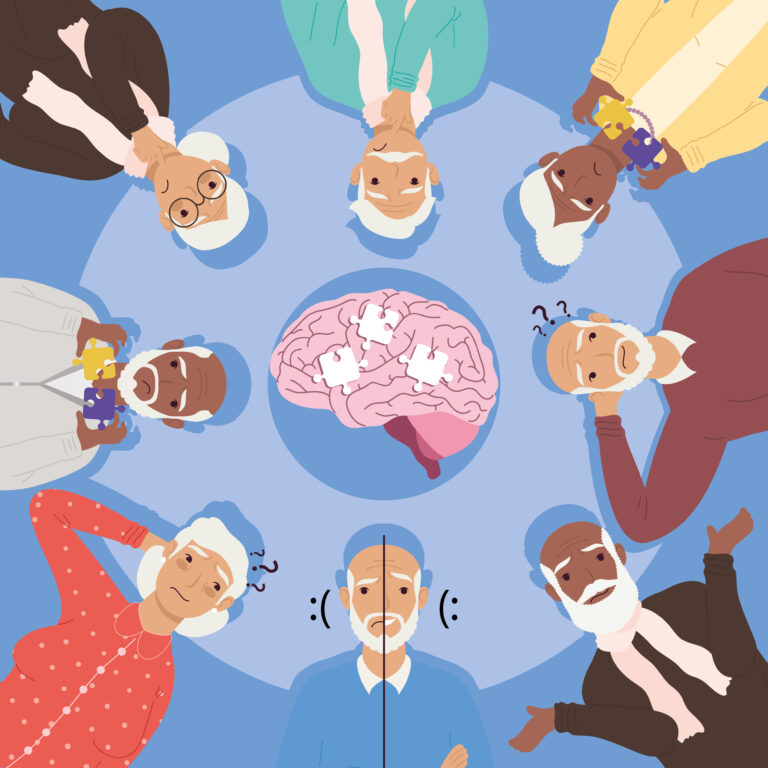
Why some dementia patients feel safest in silence

Some dementia patients feel safest in silence because quiet environments reduce sensory overload, minimize confusion, and provide a calming atmosphere that helps them manage anxiety and agitation. Silence can create a predictable, peaceful space where they are less likely to…
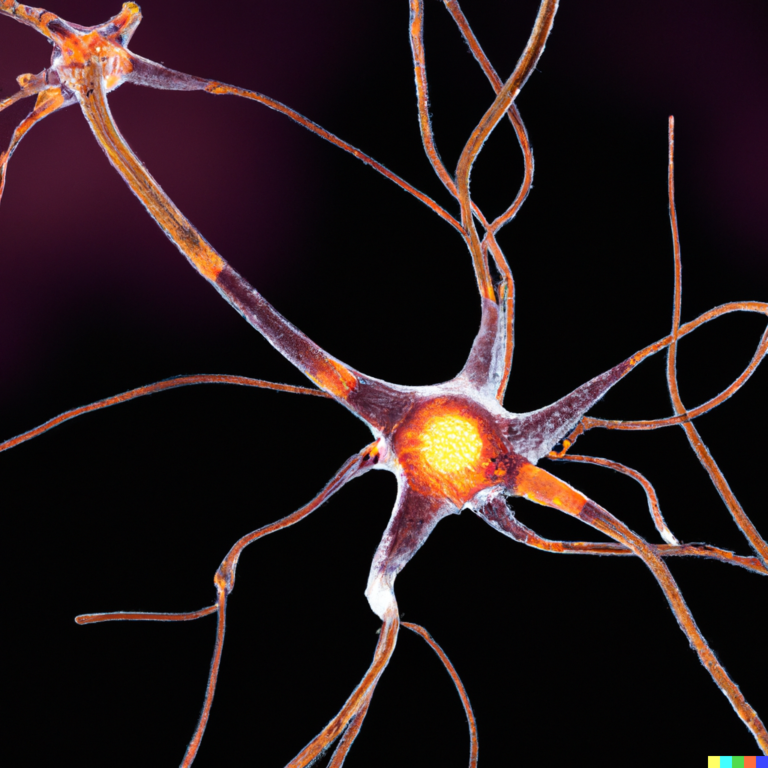

What happens when someone forgets how to open a door

When someone forgets how to open a door, it means their brain temporarily loses the ability to perform a task that is usually automatic and simple. This can happen due to various reasons such as stress, distraction, neurological conditions, or…

Why menopause impacts multitasking ability

Menopause can significantly impact a woman’s ability to multitask, primarily due to hormonal changes that affect brain function and cognitive processes. During menopause, levels of estrogen and progesterone decline, which influences neurotransmitters in the brain responsible for memory, attention, and…

How to spot cognitive fatigue in everyday moments

Spotting cognitive fatigue in everyday moments involves tuning into subtle changes in how your brain feels and functions during routine activities. Cognitive fatigue, often described as mental exhaustion or brain fog, can sneak up gradually and affect your ability to…

Why Alzheimer’s makes time feel longer or shorter

Alzheimer’s disease profoundly alters how people experience time, making it feel either stretched out or compressed in ways that can be confusing and disorienting. This happens because Alzheimer’s disrupts the brain systems responsible for perceiving, processing, and remembering time intervals,…

What auditory distortions say about brain function

Auditory distortions reveal a great deal about how the brain functions, especially in the way it processes, interprets, and organizes sound information. When sounds become distorted—whether through mishearing words, experiencing double hearing, hearing music that isn’t there, or heightened sensitivity…

Why some seniors with dementia avoid mirrors

Some seniors with dementia avoid mirrors because their changing brain function can cause confusion, fear, or distress when they see their own reflection. The way dementia affects visual perception, spatial awareness, and recognition can make mirrors unsettling or even frightening…

How caregivers can ease overstimulation at social events

Caregivers play a crucial role in helping individuals who are prone to overstimulation at social events, such as those with sensory sensitivities, dementia, autism, or other conditions. Overstimulation happens when the senses—like sight, sound, touch—are overwhelmed by too much input…

Why visual confusion happens in brightly lit rooms

Visual confusion in brightly lit rooms happens because the intense or poorly distributed light overwhelms the eyes and brain, disrupting the normal process of seeing and interpreting the environment. When a room is brightly lit, especially with harsh or uneven…

What emotional flatness may indicate in cognitive decline

Emotional flatness, often described as a lack of emotional expression or a muted affect, can be a significant indicator of cognitive decline. When someone exhibits emotional flatness, they may show little to no facial expressions, reduced eye contact, and a…