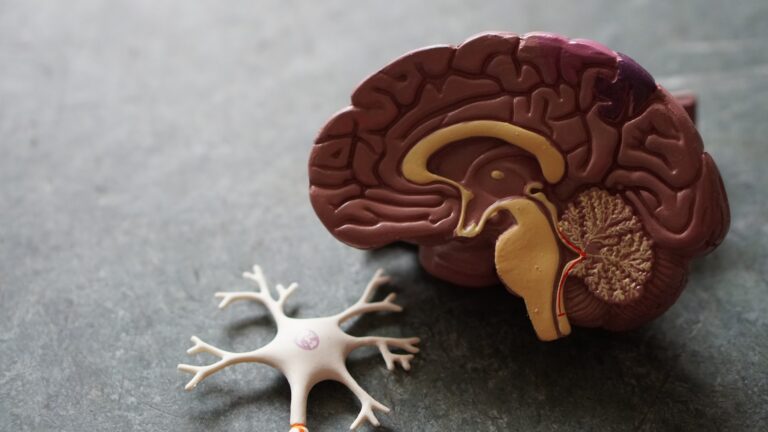
What happens when someone forgets what a spoon is
When someone forgets what a spoon is, the experience can be surprisingly complex and revealing about how memory and recognition work in the brain. A spoon, a simple everyday object, is something most people recognize instantly and use without conscious…

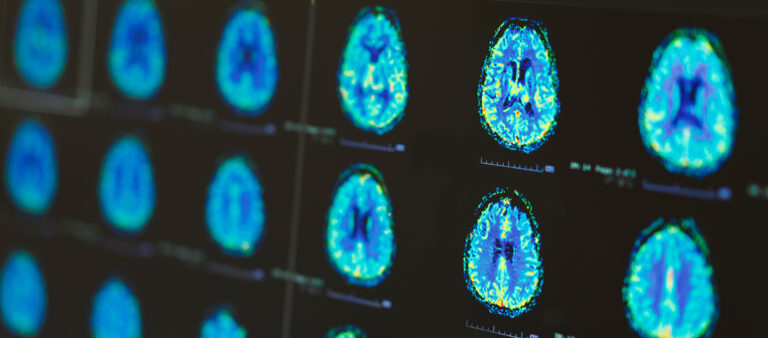
How menopause can trigger long-term memory loss

Menopause can trigger long-term memory loss primarily due to the significant hormonal changes that occur during this phase, especially the decline in estrogen levels. Estrogen is a hormone that plays a crucial role not only in reproductive health but also…

Why certain patterns or stripes can be overwhelming

Certain patterns or stripes can feel overwhelming because they intensely stimulate our visual system and brain, sometimes causing discomfort or even stress. This happens because our eyes and brain are wired to detect contrast, edges, and repetition, but when patterns…

How Alzheimer’s can change a person’s voice

Alzheimer’s disease, a progressive neurological disorder, affects many aspects of a person’s brain function, including memory, thinking, and behavior. One of the less obvious but significant ways Alzheimer’s can alter a person is through changes in their voice and speech…

What MMSE scores don’t measure but still matter

The Mini-Mental State Examination (MMSE) is a widely used tool designed to quickly assess cognitive function, especially in contexts like dementia screening. However, while MMSE scores provide a snapshot of certain cognitive abilities, there are many important aspects of brain…

Why older adults feel lost in familiar places

Older adults often feel lost in places that should be familiar to them because of changes in their brain function, memory, and perception that come with aging or certain medical conditions. This feeling of disorientation in known environments can be…

How breathing and memory loss are connected

Breathing and memory loss are connected through several important biological and environmental pathways that influence brain health. The way we breathe affects oxygen supply to the brain, which is crucial for maintaining cognitive functions including memory. When breathing is impaired…

What it means when a loved one asks where their parents are

When a loved one, especially a child or someone vulnerable, asks “Where are my parents?” it often reflects a deep emotional or psychological need rather than just a simple question about physical location. This question can carry layers of meaning…

Why some dementia patients start talking to photographs

Some dementia patients start talking to photographs because these images often serve as powerful emotional and cognitive triggers that connect them to memories, feelings, and familiar relationships. Photographs can evoke a sense of recognition and comfort, helping stimulate parts of…

How hormone loss affects the ability to plan ahead

Hormone loss can significantly affect the brain’s ability to plan ahead, a cognitive function often referred to as executive function. Hormones act as chemical messengers that influence many aspects of brain activity, including memory, attention, mood regulation, and decision-making. When…