What happens when someone sees people who aren’t real
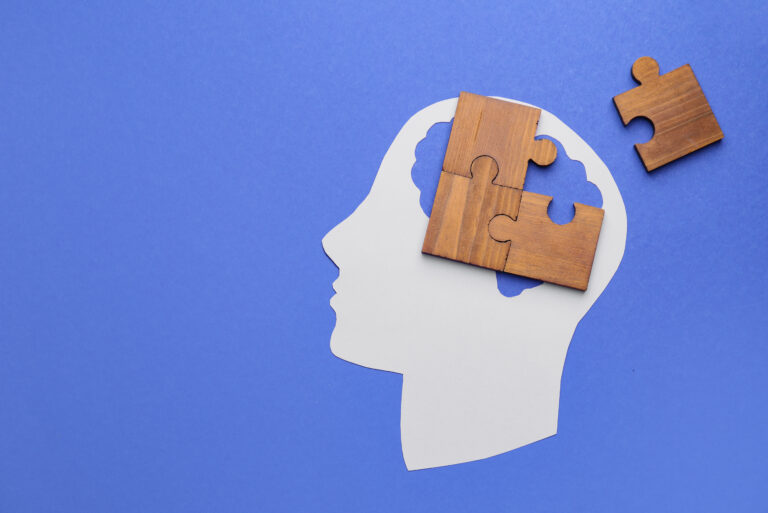
When someone **sees people who aren’t real**, they are experiencing what is called a **hallucination**, specifically a visual hallucination. This means their brain is creating images of people that do not exist in the external world, but appear very real…


Why dementia makes it hard to follow visual cues

Dementia makes it hard to follow visual cues because it disrupts the brain’s ability to process, interpret, and remember visual information in a coherent way. Visual cues are signals or hints we pick up through sight that help us understand…

How memory changes affect trust and relationships

Memory is a fundamental part of how we understand ourselves and relate to others. When memory changes occur—whether due to aging, trauma, illness, or emotional distress—they ripple through the fabric of trust and relationships in profound ways. These changes can…

Why even quiet sounds can feel unbearable

Even quiet sounds can feel unbearable because the distress they cause is often less about their volume and more about how the brain and body interpret and react to them. This phenomenon is especially evident in conditions like misophonia, where…

What to do when Alzheimer’s patients misplace everything

When Alzheimer’s patients frequently misplace everything, it can be both frustrating and worrying for them and their caregivers. This behavior is a common symptom of the disease, as Alzheimer’s affects memory, attention, and the ability to organize and recall information.…

Why hormone replacement may help preserve memory

Hormone replacement therapy (HRT) may help preserve memory primarily by restoring and balancing hormones that play critical roles in brain function, particularly estrogen and testosterone. These hormones influence various aspects of cognitive health, including memory formation, mental clarity, mood stability,…

How deep sleep supports memory retention

Deep sleep plays a crucial role in supporting memory retention by enabling the brain to consolidate and organize information gathered during waking hours. This phase of sleep, often called slow-wave sleep (SWS) or non-REM deep sleep, is characterized by slow…

What to expect when someone stops understanding stories

When someone stops understanding stories, it often signals a deeper disruption in their cognitive and language processing abilities. This change can manifest gradually or suddenly, depending on the underlying cause, and affects how they comprehend narratives, follow sequences of events,…

Why some patients fear reflective surfaces

Some patients fear reflective surfaces because these surfaces can trigger deep psychological discomfort, anxiety, or even phobias related to self-perception, identity, and emotional vulnerability. This fear often stems from complex emotional and cognitive processes where seeing one’s reflection confronts them…

How sensory issues contribute to emotional outbursts

Sensory issues can deeply influence emotional outbursts because they affect how a person’s nervous system processes and responds to the world around them. When sensory input—like sounds, lights, textures, or smells—is too intense, confusing, or overwhelming, it can overload the…