How vitamin B12 deficiency can cause dementia-like symptoms

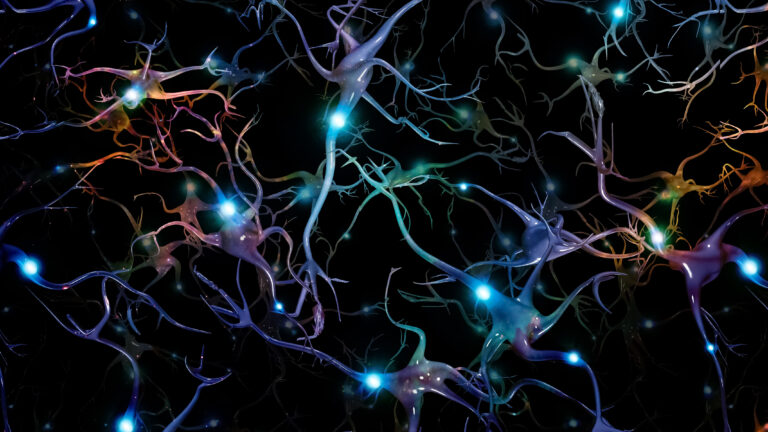
Vitamin B12 deficiency can cause symptoms that closely resemble dementia, including memory loss, confusion, and cognitive decline. This happens because vitamin B12 plays a crucial role in maintaining the health of nerve cells and the production of myelin, the protective…


What brain scans can really reveal about Alzheimer’s progression

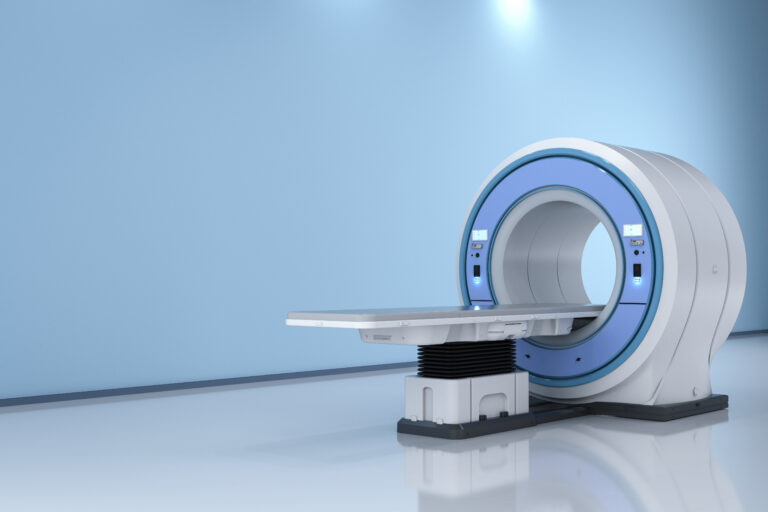
Brain scans can reveal a great deal about how Alzheimer’s disease progresses by showing changes in brain structure, function, and chemistry long before symptoms become obvious. These imaging techniques provide a window into the brain’s condition at different stages, helping…

How dehydration can mimic dementia symptoms

Dehydration can cause symptoms that closely resemble those of dementia, especially in older adults. When the body lacks enough fluids, the brain’s function is impaired, leading to confusion, memory problems, difficulty concentrating, irritability, and disorientation—symptoms often mistaken for dementia. This…

Why changes in walking speed could signal cognitive decline

Changes in walking speed can be an important early signal of cognitive decline because walking is a complex activity that requires coordination between the brain, nerves, and muscles. When cognitive function begins to deteriorate, it often affects the brain’s ability…

What caregivers should know about sundowning syndrome

Sundowning syndrome is a complex and challenging condition that caregivers of people with dementia or cognitive impairments often encounter. It refers to a pattern of increased confusion, agitation, restlessness, and sometimes aggressive behavior that typically emerges in the late afternoon,…

How music therapy can help unlock memories in dementia patients

Music therapy holds a remarkable ability to unlock memories in people living with dementia by engaging brain areas that remain responsive even as the disease progresses. Dementia gradually impairs cognitive functions, including memory, language, and emotional regulation, making it difficult…

Why some people with dementia suddenly become more creative

Some people with dementia suddenly become more creative because the disease affects different parts of the brain in complex ways, sometimes releasing or enhancing creative abilities that were previously less accessible. This phenomenon is often linked to changes in brain…