How to comfort dementia patients during hospital stays

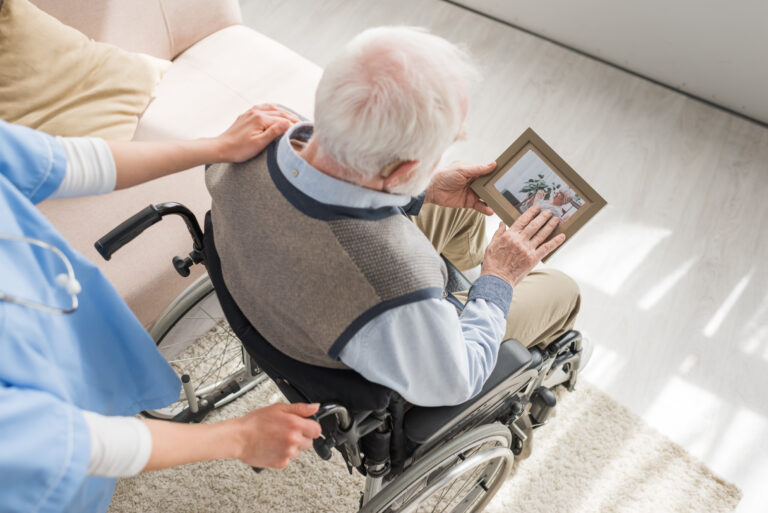
Comforting dementia patients during hospital stays requires a thoughtful, patient-centered approach that addresses their unique cognitive and emotional needs. Hospitals can be confusing and frightening environments for people with dementia, so creating a sense of familiarity, safety, and calm is…


Why hydration is critical for brain health in seniors

Hydration is absolutely essential for maintaining brain health in seniors because the brain is made up of about 75% water, and even slight dehydration can disrupt its delicate balance and function. As people age, their bodies become less efficient at…

The link between head injuries and dementia risk

The connection between head injuries and the risk of developing dementia is a complex and increasingly studied area in neuroscience and medicine. Head injuries, especially traumatic brain injuries (TBI), can have lasting effects on brain function that may increase the…

How to make mealtimes easier for people with cognitive decline

Making mealtimes easier for people with cognitive decline involves a thoughtful blend of environmental adjustments, tailored nutrition, supportive caregiving, and practical strategies that address the unique challenges posed by memory loss, reduced appetite, and difficulties with eating and swallowing. The…

Why some dementia patients believe they are living in the past

Some dementia patients believe they are living in the past because their brains struggle to process and store new memories, while older memories from many years ago remain clearer and more accessible. This happens because dementia damages specific parts of…

The truth about crossword puzzles and dementia prevention

Crossword puzzles have long been a popular pastime, enjoyed by millions for their blend of challenge and entertainment. But beyond the fun, many people wonder if these puzzles hold any real power in preventing dementia or slowing cognitive decline. The…

How light exposure can improve sleep in Alzheimer’s patients

Light exposure, particularly through carefully managed light therapy, can significantly improve sleep quality in Alzheimer’s patients by helping regulate their disrupted circadian rhythms and enhancing brain function related to sleep. Alzheimer’s disease often disrupts the natural sleep-wake cycle, leading to…

Why dementia patients sometimes hide objects

People with dementia sometimes hide objects because of a combination of memory problems, emotional responses, and changes in brain function that affect their behavior and perception of safety. This behavior is not intentional or deceitful but often reflects deeper psychological…

How to talk to children about a grandparent’s dementia

Talking to children about a grandparent’s dementia requires a gentle, honest, and age-appropriate approach that helps them understand what is happening without causing unnecessary fear or confusion. Dementia affects memory, behavior, and mood, and children may notice changes in their…

The role of dopamine in memory and motivation

Dopamine is a crucial chemical messenger in the brain that plays a central role in both memory and motivation. It acts as a neurotransmitter, which means it helps neurons communicate by transmitting signals across synapses, the tiny gaps between nerve…