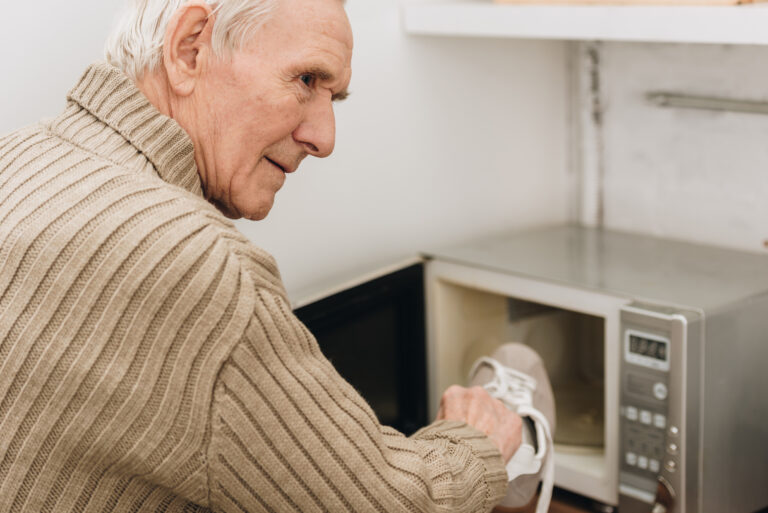
Why some dementia patients pace constantly

Some dementia patients pace constantly because of a combination of cognitive, emotional, and physical factors related to their condition. Pacing is often a form of wandering behavior driven by confusion, anxiety, restlessness, or an unmet need that the person cannot…


How to explain dementia to teenagers

Explaining dementia to teenagers requires a thoughtful, clear, and compassionate approach that respects their growing ability to understand complex issues while addressing their emotional needs. Dementia is a condition that affects the brain, causing problems with memory, thinking, and behavior,…

Why music from youth resonates most in dementia therapy

Music from one’s youth resonates most deeply in dementia therapy because it taps into the brain’s oldest and most resilient memories, often preserved even as other cognitive functions decline. Songs and melodies from early life are stored in brain regions…

The truth about ginkgo biloba and memory

Ginkgo biloba, a tree native to China, has been used for centuries in traditional medicine, especially for brain health and memory enhancement. The truth about its effects on memory is complex, involving a mix of promising findings, limitations, and ongoing…

How to recognize and treat caregiver compassion fatigue

Caregiver compassion fatigue is a state of deep emotional, mental, and physical exhaustion that arises from the prolonged and intense demands of caring for someone else, especially when that person is suffering from chronic illness, dementia, or trauma. It is…

Why familiarity matters in dementia-friendly design

Familiarity plays a crucial role in dementia-friendly design because it helps create an environment where people living with dementia feel safe, secure, and oriented. Dementia often impairs memory and cognitive function, making new or confusing surroundings overwhelming and distressing. When…

The science of why we forget names as we age

Forgetting names as we age is a common experience rooted in the natural changes that occur in the brain over time. The brain’s ability to quickly retrieve specific pieces of information, like names, tends to slow down with age because…

How to manage finances after a dementia diagnosis

Managing finances after a dementia diagnosis requires careful planning, organization, and support to ensure that the person affected maintains dignity and security while their financial affairs are handled responsibly. Dementia can gradually impair a person’s ability to make sound decisions…

Why hand massages can calm dementia patients

Hand massages can calm dementia patients because they provide gentle, soothing physical touch that helps reduce anxiety, agitation, and confusion. The simple act of rubbing and holding the hands stimulates sensory nerves, which can trigger relaxation responses in the brain…