How storytelling helps preserve identity in dementia

Storytelling is a powerful and timeless human activity that goes far beyond mere entertainment. For people living with dementia, storytelling becomes a vital bridge to their sense of self and identity, helping preserve who they are even as memory fades.…
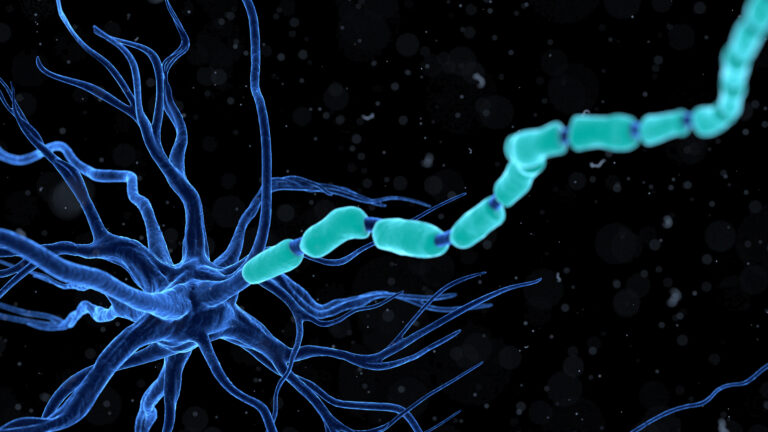

Why sugar cravings can increase in Alzheimer’s

Sugar cravings can increase in Alzheimer’s disease due to a combination of changes in brain metabolism, altered taste perception, and the brain’s reward system dysfunction. As Alzheimer’s progresses, the brain’s ability to use glucose efficiently becomes impaired, leading to a…

What brain plasticity means for memory recovery

Brain plasticity, also known as neuroplasticity, is the brain’s remarkable ability to change and adapt its structure and function throughout life. This capacity means that the brain is not a fixed organ but a dynamic one that can reorganize itself…

How to reduce anxiety before medical appointments

Anxiety before medical appointments is a common experience that can feel overwhelming, but there are many practical and straightforward ways to reduce it. The key is to prepare your mind and body ahead of time, use calming techniques during the…

Why dementia patients sometimes mistake TV for reality

Dementia patients sometimes mistake what they see on TV for reality because their brains struggle to distinguish between real life and images or stories presented on a screen. This confusion arises primarily from the cognitive decline caused by dementia, which…

The connection between thyroid health and memory

The connection between thyroid health and memory is profound and multifaceted, involving how thyroid hormones influence brain function, cognition, and overall neurological health. The thyroid gland produces hormones—primarily T3 (triiodothyronine) and T4 (thyroxine)—that regulate metabolism at the cellular level throughout…

How to create a dementia-friendly kitchen

Creating a dementia-friendly kitchen involves thoughtful design and organization to support safety, independence, and comfort for someone living with dementia. The goal is to reduce confusion, prevent accidents, and encourage positive engagement with cooking and eating activities by adapting the…

Why certain smells evoke emotional reactions in Alzheimer’s patients

Certain smells evoke emotional reactions in Alzheimer’s patients because the sense of smell is uniquely connected to the brain’s emotional and memory centers, particularly the amygdala and hippocampus. These areas are crucial for processing emotions and forming memories, so when…

What “cognitive reserve” means and how to build it

**Cognitive reserve** is a concept that explains why some people can maintain normal cognitive functioning despite brain aging, injury, or disease. It acts like a mental buffer or savings account that helps the brain adapt and compensate when faced with…

How diet affects inflammation in the brain

Diet plays a crucial role in influencing inflammation in the brain, which can affect mental health, cognitive function, and the risk of neurodegenerative diseases. What we eat impacts the brain through several interconnected pathways involving the gut microbiome, immune responses,…