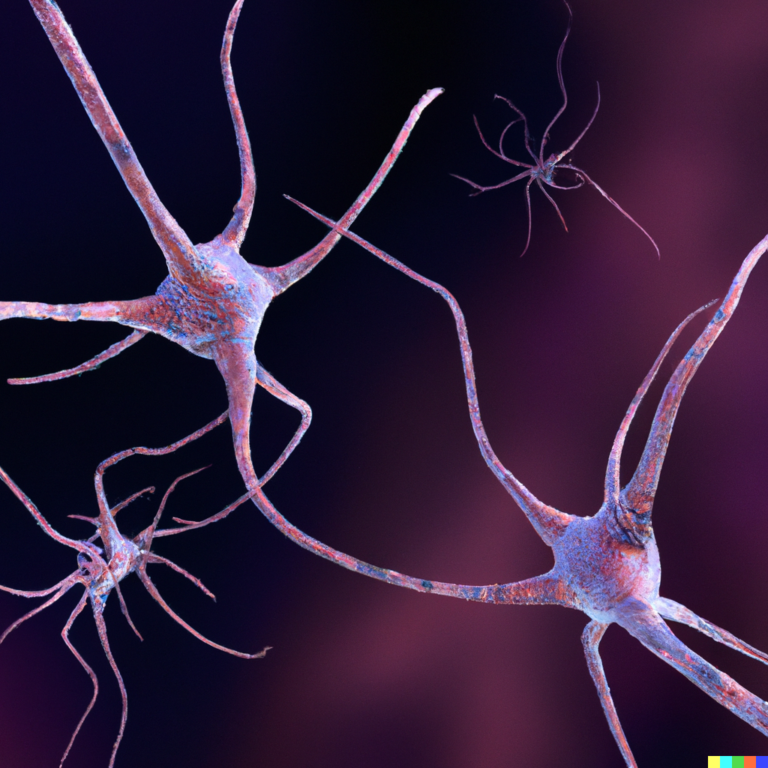
Multiple System Atrophy: Understanding a Rare Neurological Disorder
Multiple System Atrophy, or MSA, is a rare and progressive neurological disorder that affects both the central and autonomic nervous systems. This condition is characterized by a combination of symptoms that impact movement, balance, and automatic bodily functions such as blood pressure and digestion.
### What Causes MSA?
The exact cause of MSA is not well understood, but it is linked to the abnormal accumulation of a protein called alpha-synuclein in the brain. This protein buildup leads to the degeneration of nerve cells in various parts of the brain. Unlike some other neurological conditions, MSA is not considered an inherited disease and typically occurs sporadically without a clear genetic link[1][3].
### Symptoms of MSA
MSA can be divided into two main subtypes based on the early symptoms: MSA-P (Parkinsonian) and MSA-C (Cerebellar). Both types share some common symptoms related to the autonomic nervous system, such as:
– **Orthostatic Hypotension**: A sudden drop in blood pressure when standing, leading to dizziness or fainting.
– **Bladder Control Issues**: Difficulty with urination.
– **Digestive Problems**: Constipation or slow digestion.
– **Sexual Dysfunction**: Challenges such as erectile dysfunction.
– **Sleep Problems**: Disruptions like REM sleep behavior disorder.
– **Cognitive Difficulties**: Trouble focusing or concentrating.
MSA-P symptoms resemble Parkinson’s disease, with stiffness, slow movement, and tremors. MSA-C affects balance and coordination, leading to difficulties with walking and speech[3].
### Progression and Life Expectancy
MSA is a rapidly progressive disease, with most patients experiencing significant worsening of symptoms over five to ten years after diagnosis. On average, people with MSA live six to nine years after the onset of motor symptoms. However, with proper care and support, many individuals can maintain their independence and enjoy meaningful time with loved ones[3].
### Treatment and Care
Currently, there is no cure for MSA, but various treatments can help manage its symptoms. These include medications to control blood pressure and bladder issues, physical therapy to improve mobility, and speech therapy for those with speech difficulties. Supportive care from family and healthcare providers is crucial in helping patients cope with the challenges of MSA[3].
In summary, Multiple System Atrophy is a complex condition that requires comprehensive care and understanding. While its progression can be challenging, managing symptoms and providing supportive care can significantly improve the quality of life for those affected.