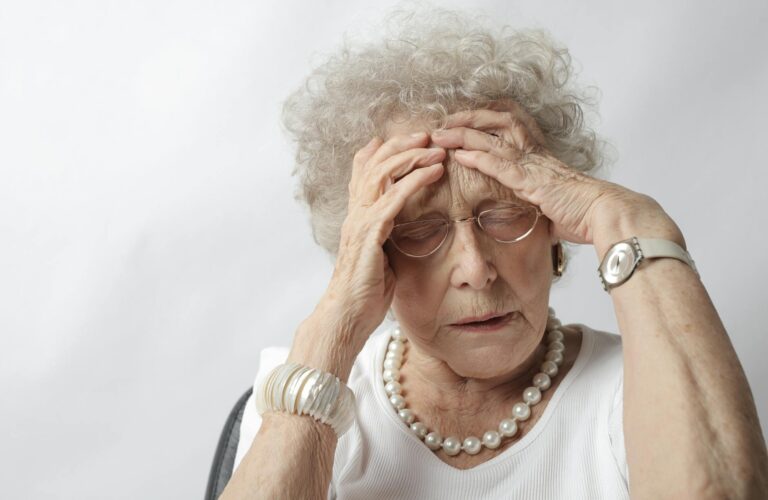
Traumatic brain injury, or TBI, raises the risk of dementia but is not a common cause of it overall. Studies show that people with a TBI are about 50% more likely, or 1.5 times as likely, to develop dementia compared to those without one.https://www.alzheimersresearchuk.org/about-us/our-influence/policy-work/position-statements/sport-and-dementia/ Experts estimate TBI accounts for around 3% of dementia cases worldwide, meaning it plays a small role next to bigger factors like high blood pressure, smoking, and inactivity.https://www.alzheimersresearchuk.org/about-us/our-influence/policy-work/position-statements/sport-and-dementia/
TBI happens when a hit to the head messes up normal brain function, from mild cases like concussions to severe ones. Even a single moderate to severe TBI can lead to long-term problems like memory loss and thinking issues that look like Alzheimer’s disease.https://pmc.ncbi.nlm.nih.gov/articles/PMC12730488/ In some groups, the risk jumps higher. For example, older military veterans with mild TBI from post-9/11 conflicts have double the dementia risk compared to veterans without it.https://jamanetwork.com/journals/jamanetworkopen/fullarticle/2842588
Genes can make things worse after a TBI. The APOE-e4 gene variant often links to poorer brain recovery and higher dementia odds in people with brain injuries.https://pmc.ncbi.nlm.nih.gov/articles/PMC12755970/ A review of over 100 studies found this gene tied to bad cognitive outcomes in most cases.https://pmc.ncbi.nlm.nih.gov/articles/PMC12755970/ Repetitive head impacts, like in sports such as boxing or football, can lead to a rare dementia called chronic traumatic encephalopathy, or CTE.https://www.alzheimersresearchuk.org/about-us/our-influence/policy-work/position-statements/sport-and-dementia/
TBI might speed up brain aging too, making someone look years older on brain scans and raising dementia chances.https://research.usc.edu.au/view/pdfCoverPage?instCode=61USC_INST&filePid=13276962880002621&download=true Projects like TBI-REPORTER in the UK are studying this across all ages and groups, including kids, prisoners, and domestic violence survivors, to better grasp the dementia link.https://www.alzheimersresearchuk.org/about-us/our-influence/policy-work/position-statements/sport-and-dementia/ While exercise from sports helps brain health, avoiding head injuries matters for keeping dementia risk low.
Sources
https://www.alzheimersresearchuk.org/about-us/our-influence/policy-work/position-statements/sport-and-dementia/
https://pmc.ncbi.nlm.nih.gov/articles/PMC12755970/
https://jamanetwork.com/journals/jamanetworkopen/fullarticle/2842588
https://pmc.ncbi.nlm.nih.gov/articles/PMC12730488/
https://research.usc.edu.au/view/pdfCoverPage?instCode=61USC_INST&filePid=13276962880002621&download=true
https://onlinelibrary.wiley.com/doi/10.1002/brb3.71173?af=R