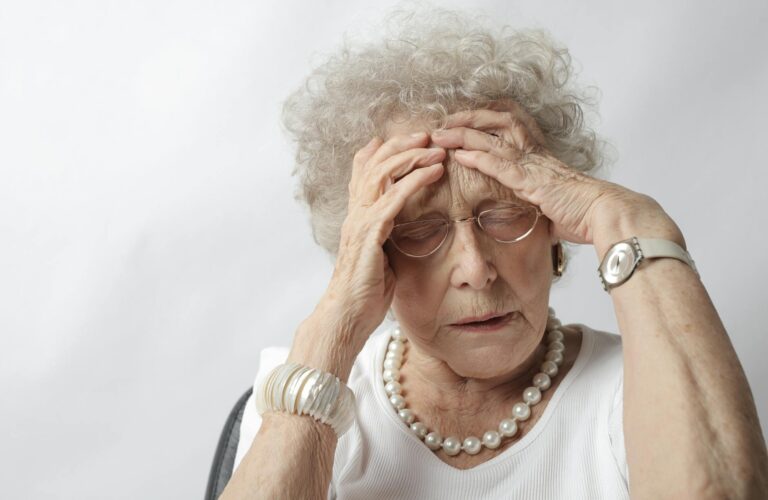
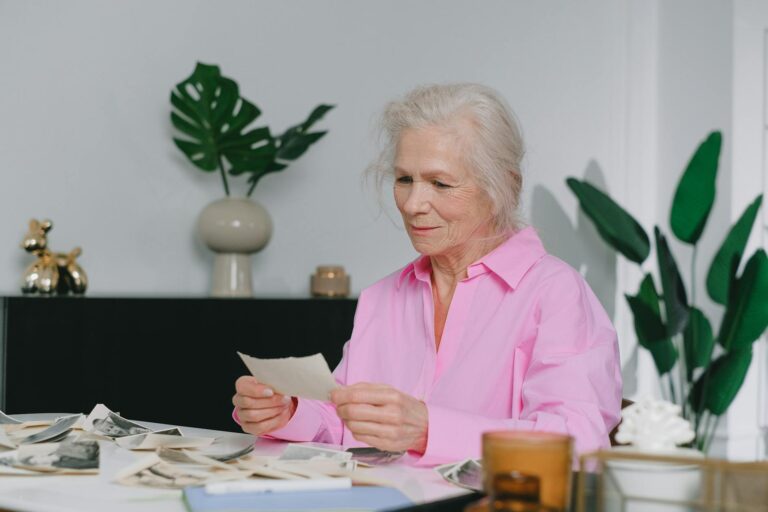
Is loneliness in seniors tied to dementia onset? Research shows a connection, but it is often social isolation—the actual lack of social contacts—that drives the risk more than the feeling of loneliness alone. Studies point to seniors who lack regular interactions facing higher chances of cognitive decline and dementia.
Many older adults deal with loneliness. About one in three people aged 50 to 80 say they feel lonely often or sometimes, based on surveys from the University of Michigan.https://www.myamericannurse.com/the-silent-epidemic-social-isolation-is-harming-our-seniors/ The U.S. Surgeon General has called loneliness an epidemic, comparing its harm to smoking 15 cigarettes a day. It links to health issues like heart disease and faster brain decline.https://neuropsychologyllc.com/why-social-connection-matters-for-brain-health-dementia/https://www.myamericannurse.com/the-silent-epidemic-social-isolation-is-harming-our-seniors/
Social isolation stands out as a stronger factor. A study of over 30,000 older adults found isolation speeds up cognitive decline on its own, separate from loneliness. Only 6 percent of the effect came from feeling lonely.https://www.emjreviews.com/neurology/news/study-shows-that-social-isolation-accelerates-cognitive-decline/https://academic.oup.com/psychsocgerontology/advance-article/doi/10.1093/geronb/gbaf254/8379737 In one long-term look at seniors, those isolated had a 27 percent higher risk of dementia over nine years compared to connected ones.https://neuropsychologyllc.com/why-social-connection-matters-for-brain-health-dementia/ Another analysis of 41 studies tied isolation to a 29 percent higher dementia risk overall, with lack of social activities showing the clearest link.https://pmc.ncbi.nlm.nih.gov/articles/PMC12726400/
Why does this happen? Without talks or group activities, the brain misses stimulation. Isolation can spark stress, depression, and poor habits that hurt memory areas. It creates a loop: early memory slips lead to pulling away, which worsens things.https://neuropsychologyllc.com/why-social-connection-matters-for-brain-health-dementia/ Socially frail seniors were 47 percent more likely to get Alzheimer’s or dementia, even after checking other risks.https://www.alzinfo.org/articles/prevention/social-interaction-may-be-key-to-keeping-the-brain-young/
Some groups face higher risks. Men, those with low income or education, the unemployed, and LGBTQ+ seniors often feel more isolated.https://www.myamericannurse.com/the-silent-epidemic-social-isolation-is-harming-our-seniors/ The effect holds across genders, races, and education levels. One study noted depression, not loneliness, worsened brain aging through inflammation.https://pubmed.ncbi.nlm.nih.gov/41434293/
Building connections helps. Experts say targeting isolation, especially for those living alone, could protect brain health. Simple steps like community groups or calls might slow decline.https://www.emjreviews.com/neurology/news/study-shows-that-social-isolation-accelerates-cognitive-decline/https://www.news-medical.net/news/20251217/Social-isolation-emerges-as-a-key-independent-risk-factor-for-cognitive-decline.aspx
Sources
https://neuropsychologyllc.com/why-social-connection-matters-for-brain-health-dementia/
https://www.emjreviews.com/neurology/news/study-shows-that-social-isolation-accelerates-cognitive-decline/
https://www.myamericannurse.com/the-silent-epidemic-social-isolation-is-harming-our-