Journaling can be a beneficial therapeutic activity for people with dementia, offering a unique way to support their emotional well-being, cognitive function, and sense of identity. While dementia progressively impairs memory and thinking skills, journaling—especially when adapted to the individual’s abilities—can serve as a gentle, creative outlet that encourages self-expression and reflection.
At its core, journaling involves writing down thoughts, feelings, memories, or daily experiences. For dementia patients, this process can be simplified or guided, such as through prompts, drawing, or assisted writing, to accommodate varying levels of cognitive decline. The act of putting pen to paper helps engage different parts of the brain, stimulating memory recall and emotional processing. This can be particularly valuable because positive memories and feelings often endure longer than factual recall in dementia, allowing journaling to tap into meaningful personal stories and emotions.
One of the key therapeutic benefits of journaling for dementia patients is its role in reminiscence. Reminiscence therapy, which involves recalling and reflecting on past experiences, has been shown to improve mood, reduce depression, and enhance quality of life. Journaling can be a form of self-directed reminiscence, enabling individuals to capture moments from their past or express how they feel in the present. This process can foster a sense of continuity and identity, which dementia often threatens by eroding memory. Writing or drawing about cherished memories, family, or favorite activities can help affirm who the person is beyond the disease.
Emotionally, journaling offers a safe space for dementia patients to process feelings that might otherwise be difficult to express verbally. Dementia can cause confusion, frustration, and anxiety, and journaling can provide a calming, structured way to release these emotions. Even simple entries about daily experiences or moods can help caregivers and therapists better understand the patient’s inner world, improving communication and personalized care.
From a cognitive perspective, journaling encourages mental engagement and can help maintain language skills, attention, and sequencing abilities. While it may not halt the progression of dementia, it supports cognitive stimulation, which is known to have positive effects on brain health. The routine of journaling can also provide structure and a sense of accomplishment, which contributes to emotional stability.
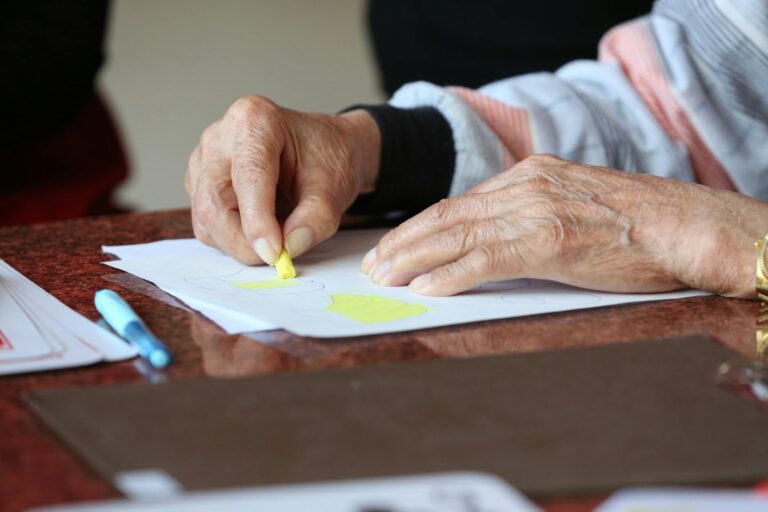
Journaling can be adapted to the individual’s needs and abilities. For those with more advanced dementia, journaling might involve drawing, using stickers, or dictating memories to a caregiver who writes them down. For those in earlier stages, free writing or guided prompts can encourage deeper reflection. The key is to keep the activity enjoyable and pressure-free, focusing on expression rather than correctness or length.
Socially, journaling can also be a bridge to connection. Sharing journal entries with family members or caregivers can spark conversations, strengthen relationships, and reduce feelings of isolation. It can also serve as a legacy, preserving personal stories and insights that might otherwise be lost.
In addition to emotional and cognitive benefits, journaling has been linked to improved physical health outcomes in older adults by reducing stress and promoting emotional regulation. This holistic benefit is particularly important for dementia patients, who often face multiple health challenges.
While journaling is not a standalone cure or treatment for dementia, it complements other therapies such as reminiscence therapy, cognitive stimulation, and social engagement. It is a low-cost, accessible tool that can be tailored to individual preferences and abilities, making it a valuable part of a comprehensive care plan.
Overall, journaling offers dementia patients a meaningful way to express themselves, connect with their past, and engage their minds, contributing to improved mood, reduced anxiety, and a stronger sense of self. It transforms the challenge of memory loss into an opportunity for creative exploration and emotional healing.