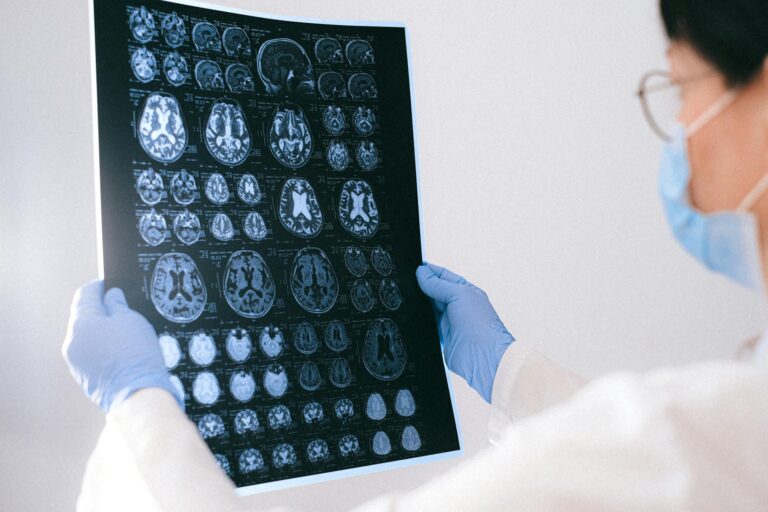
Cerebral palsy (CP) is primarily caused by damage to the developing brain, which can occur before, during, or shortly after birth. While lack of emergency care at birth can be a contributing factor in some cases, it is not the sole cause of cerebral palsy. The condition results from a complex interplay of factors including birth complications, brain injury, genetic influences, and prenatal conditions.
**Brain injury and oxygen deprivation during birth** are among the most commonly recognized causes of cerebral palsy. When a baby experiences **hypoxia (lack of oxygen)** or **ischemia (reduced blood flow)** during labor or delivery, brain cells can be damaged or die due to energy deprivation. This is often referred to as **hypoxic-ischemic encephalopathy (HIE)**. For example, if the umbilical cord is compressed or if there is fetal distress during delivery, the brain may not receive enough oxygen, leading to injury that can cause CP[2][5].
**Birth complications** such as prolonged labor, improper use of delivery tools like forceps or vacuum extractors, or trauma during delivery can also contribute to brain injury. Inadequate or delayed emergency care during these critical moments can exacerbate the risk of brain damage. Medical errors or negligence during labor and delivery—such as failure to recognize fetal distress or to perform timely interventions—have been linked to some cases of cerebral palsy and are grounds for malpractice claims[1][2].
However, it is important to understand that **not all cerebral palsy cases are caused by birth-related emergencies or medical negligence**. Many cases arise from brain abnormalities or injuries that occur **before birth**, such as infections during pregnancy, genetic mutations, or developmental brain malformations. Recent research has identified genetic variants that may predispose infants to cerebral palsy, indicating that genetics can play a significant role in the condition’s development[4].
Additionally, cerebral palsy can also result from **postnatal factors** such as infections or head injuries occurring after birth, although these are less common causes[5].
Modern research efforts, such as those led by Dr. Lisa Letzkus at the University of Virginia, focus on early detection of cerebral palsy risk in preterm infants by analyzing physiological data collected in neonatal intensive care units. Early identification allows for timely intervention during critical periods of brain development, which may improve outcomes and reduce disability severity[3].
In summary, while **lack of emergency care at birth can cause or worsen brain injury leading to cerebral palsy**, it is only one of several potential causes. Cerebral palsy is a multifactorial condition involving prenatal, perinatal, and postnatal factors, including genetic contributions, birth complications, and brain injuries. The presence or absence of emergency care at birth is a critical factor in some cases but not the universal cause of cerebral palsy.
—
Sources:
[1] Sokolove Law – Cerebral Palsy & Malpractice
[2] RWK Goodman – Guide to Cerebral Palsy Causes
[3] University of Virginia News – Early Detection of Cerebral Palsy
[4] Cerebral Palsy Alliance Research Foundation – Genetics of CP
[5] Nationwide Children’s Hospital – Cerebral Palsy in Children