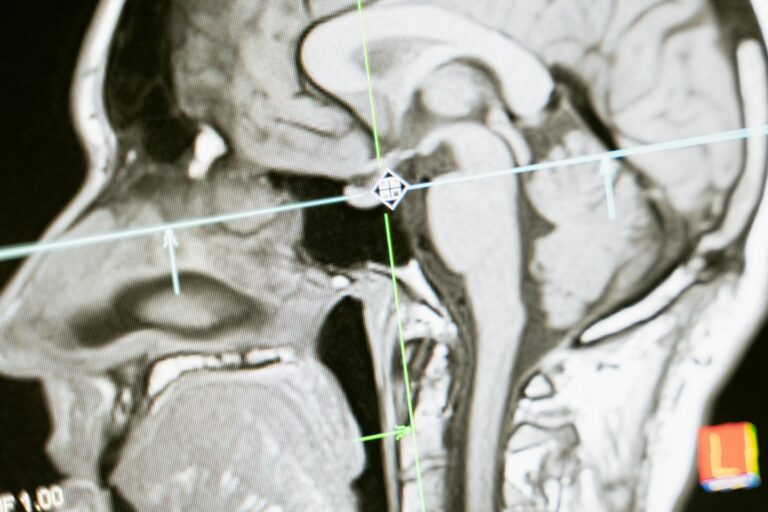
Investigating the Link Between Inflammation and Dementia
Dementia is a complex condition that affects millions of people worldwide, causing significant cognitive decline and impacting daily life. Recent research has highlighted a potential link between inflammation and the development of dementia. This connection suggests that reducing inflammation might help prevent or slow down the progression of dementia.
### What is Inflammation?
Inflammation is the body’s natural response to injury or infection. It involves the activation of immune cells and the release of chemical signals to fight off harmful invaders. However, chronic or low-grade inflammation can be harmful, contributing to various diseases, including dementia.
### The Role of Inflammation in Dementia
Studies have shown that inflammation plays a crucial role in the development and progression of dementia. This is because chronic inflammation can lead to brain damage, contributing to cognitive decline. Researchers believe that low-grade inflammation over a long period may be particularly harmful, as it can induce a cycle of pathological processes that enhance each other.
### Non-Steroidal Anti-Inflammatory Drugs (NSAIDs)
Recent studies have explored the use of non-steroidal anti-inflammatory drugs (NSAIDs) as a potential strategy to reduce dementia risk. Long-term use of NSAIDs has been linked to a lower risk of developing dementia. This association is stronger for NSAIDs that do not have known effects on amyloid-beta, a protein associated with Alzheimer’s disease. The protective effect of NSAIDs seems to be related to their anti-inflammatory properties rather than their impact on amyloid-beta levels.
### Circadian Rhythms and Inflammation
Another factor linked to inflammation and dementia is the disruption of circadian rhythms. Research has shown that disturbances in sleep-wake cycles can lead to immune cell activation and inflammation, which may accelerate cognitive decline. This suggests that maintaining regular circadian rhythms could be important for brain health.
### Viral Infections and Dementia
Some studies have also explored the potential link between viral infections, such as herpes simplex virus-1 (HSV-1), and dementia. HSV-1 has been found in the brains of individuals with Alzheimer’s disease, suggesting a possible role in cognitive decline. However, more research is needed to fully understand this connection.
### Conclusion
The relationship between inflammation and dementia is complex and multifaceted. While NSAIDs show promise in reducing dementia risk, more studies are needed to confirm these findings and understand the underlying mechanisms. Additionally, maintaining healthy lifestyle habits, such as regular sleep patterns, may also play a role in preventing cognitive decline. As research continues to uncover the causes of dementia, it is clear that addressing inflammation will be a crucial part of any prevention or treatment strategy.