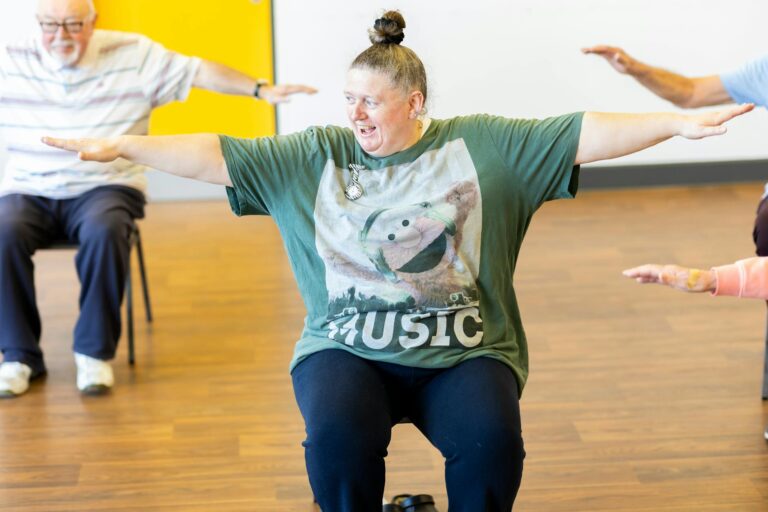
Investigating the Connection Between Cardiovascular Fitness and Memory
When we think about staying healthy, we often focus on our physical bodies, but our brain health is just as important. One key area of research is how cardiovascular fitness affects memory. This connection is fascinating because it shows that taking care of our heart can also help keep our minds sharp.
### How Cardiovascular Fitness Affects the Brain
Cardiovascular fitness is about how well our heart and lungs work together to supply oxygen to our body. This is crucial for brain health because the brain needs a constant flow of oxygen-rich blood to function properly. When our cardiovascular system is strong, it ensures that our brain gets the oxygen it needs to work efficiently.
Research has shown that people with good cardiovascular fitness tend to have a lower risk of memory loss and conditions like dementia and Alzheimer’s disease. This is partly because exercise, especially cardio, helps improve the brain’s ability to adapt and change, a concept known as neuroplasticity. Neuroplasticity is important for learning new things and remembering them.
### The Role of the Hippocampus
One part of the brain that is particularly affected by cardiovascular fitness is the hippocampus. The hippocampus is responsible for creating new memories and converting them into long-term ones. Exercise has been shown to help maintain the health of the hippocampus, which is crucial for memory function. In some studies, exercise has even been linked to the growth of new neurons in this area, although this is more clearly seen in animal studies.
### How Cardio Helps Reduce Stress and Improve Mood
Cardiovascular exercise not only improves memory but also helps reduce stress and improve mood. When we engage in cardio activities like running or cycling, our brain’s response to stress decreases. This can help alleviate symptoms of depression and anxiety, which are often linked to cognitive decline.
### The Power of Mindfulness in Cardio
Some types of cardio, like walking or running, can be meditative. The repetitive motion can help clear the mind and allow for creative thinking. This mindfulness aspect of cardio can be beneficial for mental health and cognitive function.
### Conclusion
The connection between cardiovascular fitness and memory is strong and beneficial. By maintaining a healthy heart through regular exercise, we can also support our brain health and reduce the risk of cognitive decline. Whether it’s through traditional cardio activities or innovative methods like rebounding, taking care of our cardiovascular system is a key step in keeping our minds sharp and active. So, the next time you’re thinking about your health, remember that a stronger heart can lead to a sharper mind.